
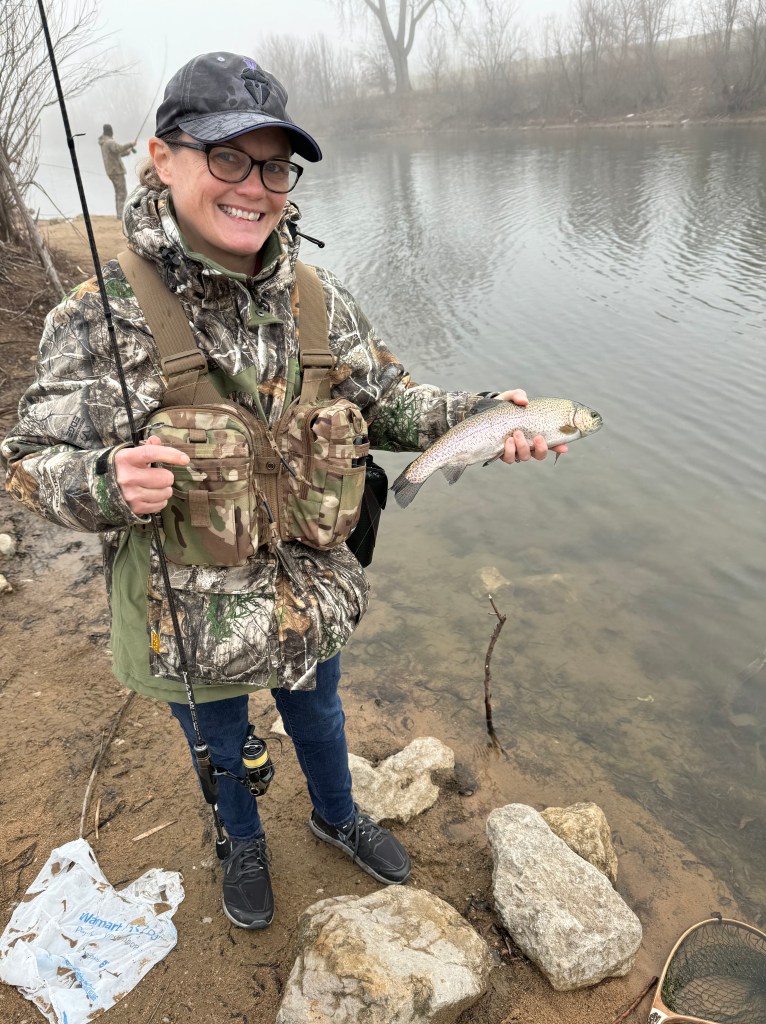
We finally had good weather on a weekend so we made plans to fish the river for the first time in 2024.
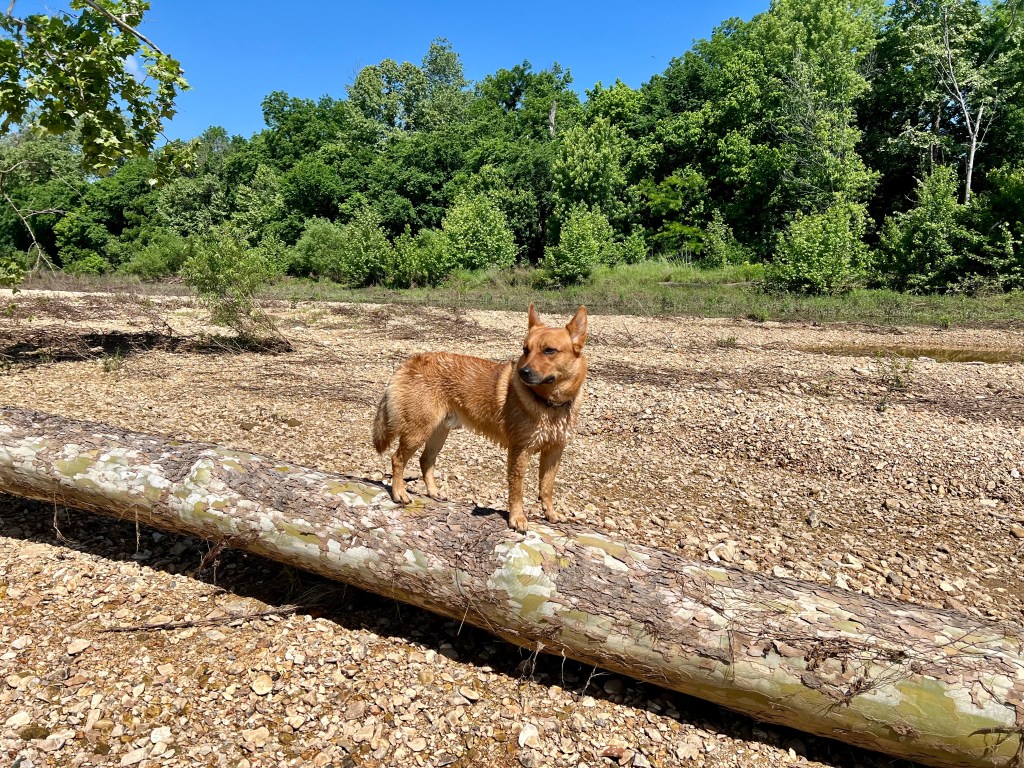
We got up early and headed out as soon as our eyes would focus and we had a bit of coffee in us. Even Zip was excited to get out and eagerly jumped in the car.
Side note: Every year we set a goal of 50 outings and we try our hardest to at least hit that mark, but also try to go beyond that number. We have had a huge amount of rain and wind this year but to date we have managed to get out on 39 outings. Most of them were us chasing trout, crappie, perch etc. and we didn’t blog about most of those outings.
We drove through thick fog most of the way and it got worse the closer we got to the river. The temperature on our arrival @ 0617 was 59-60F.


The water was up and made wading a little difficult. Normally, Zip can wade across on his own but this time the current was too much for him and I ended up having to surge downstream a few times to retrieve him. Usually when I was trying to retrieve a stuck lure, I’d wade out and hear splashing behind me and turn to see Zip struggling in the current. He’s loyal, I’ll give him that!


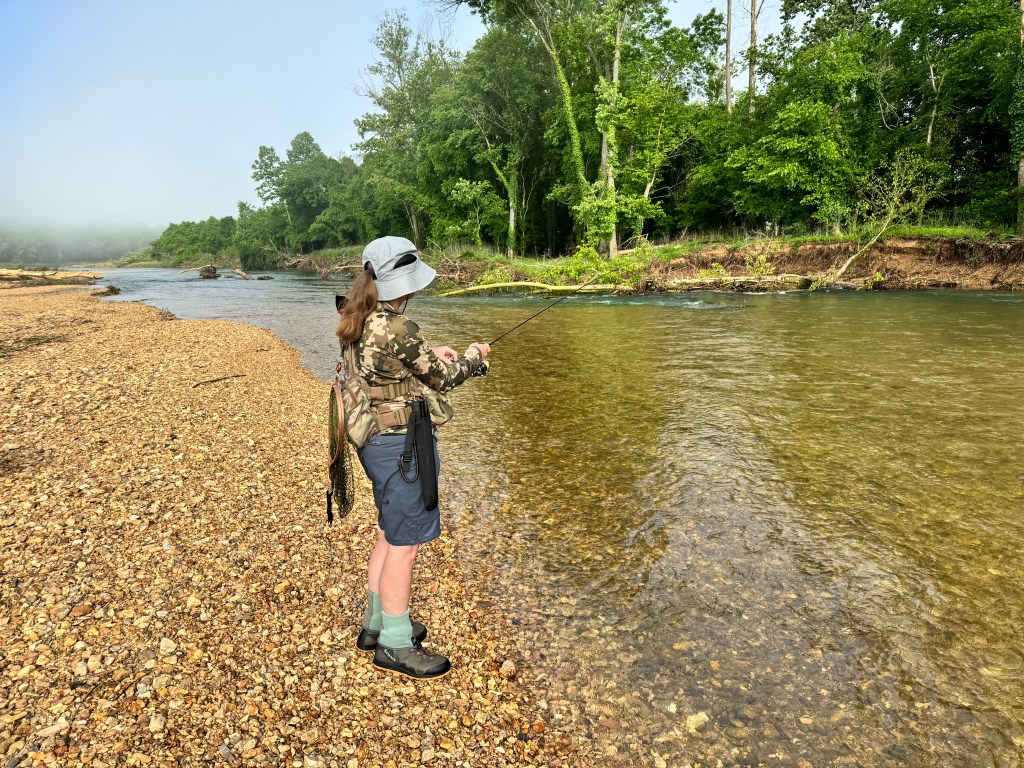

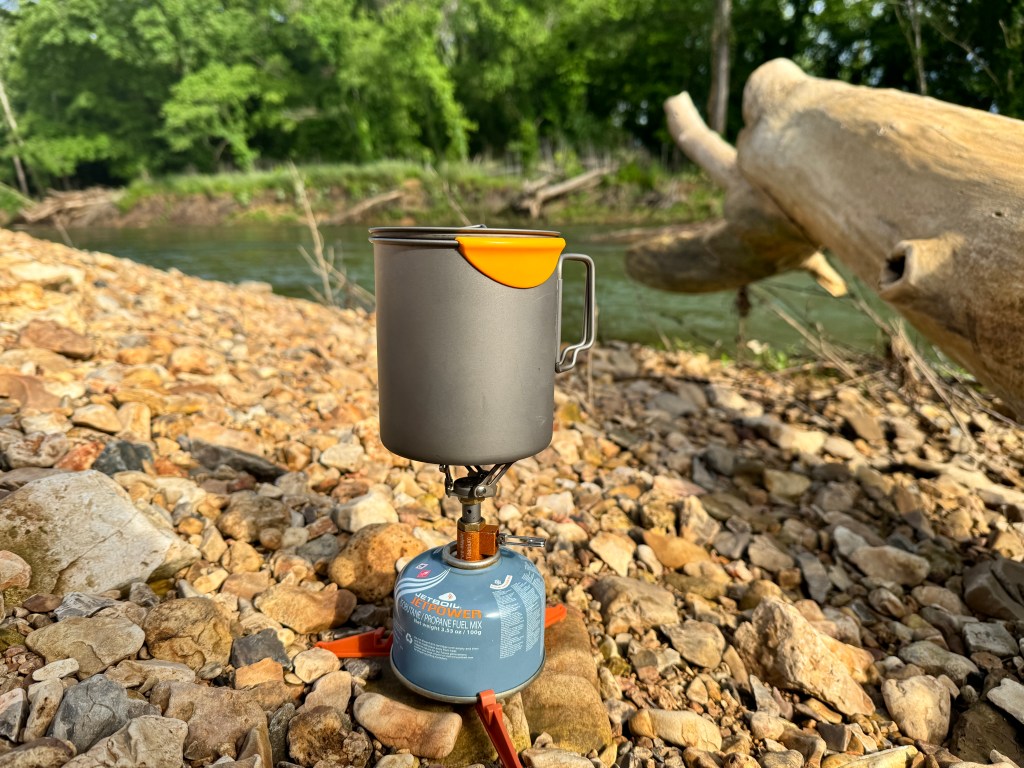
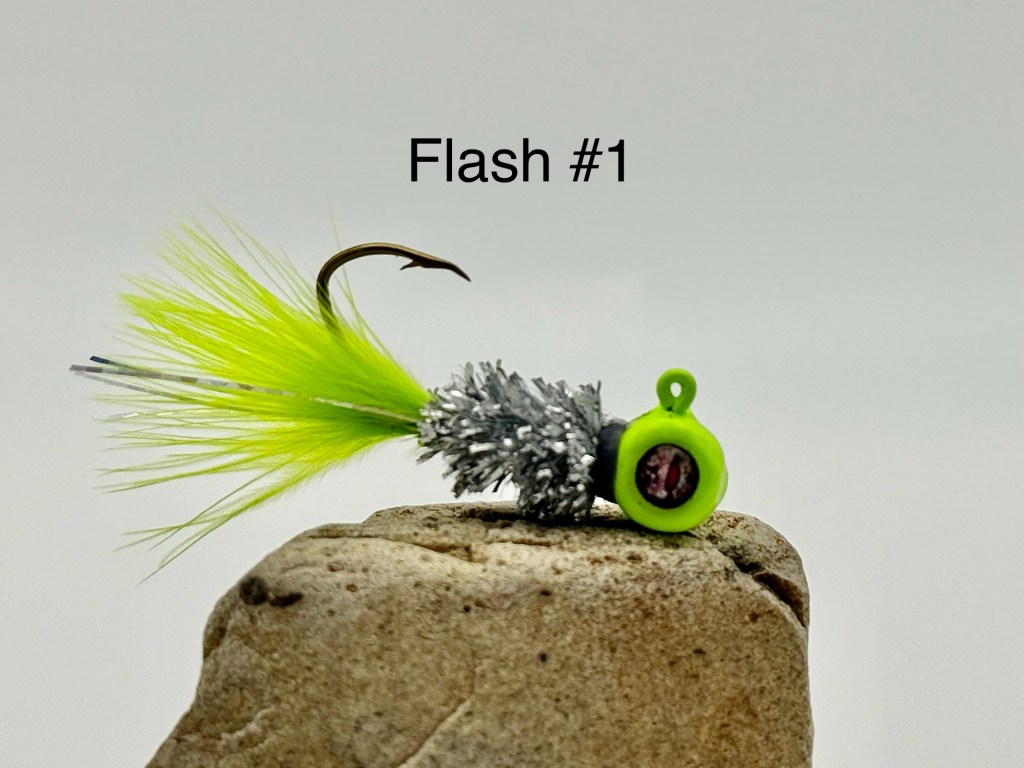
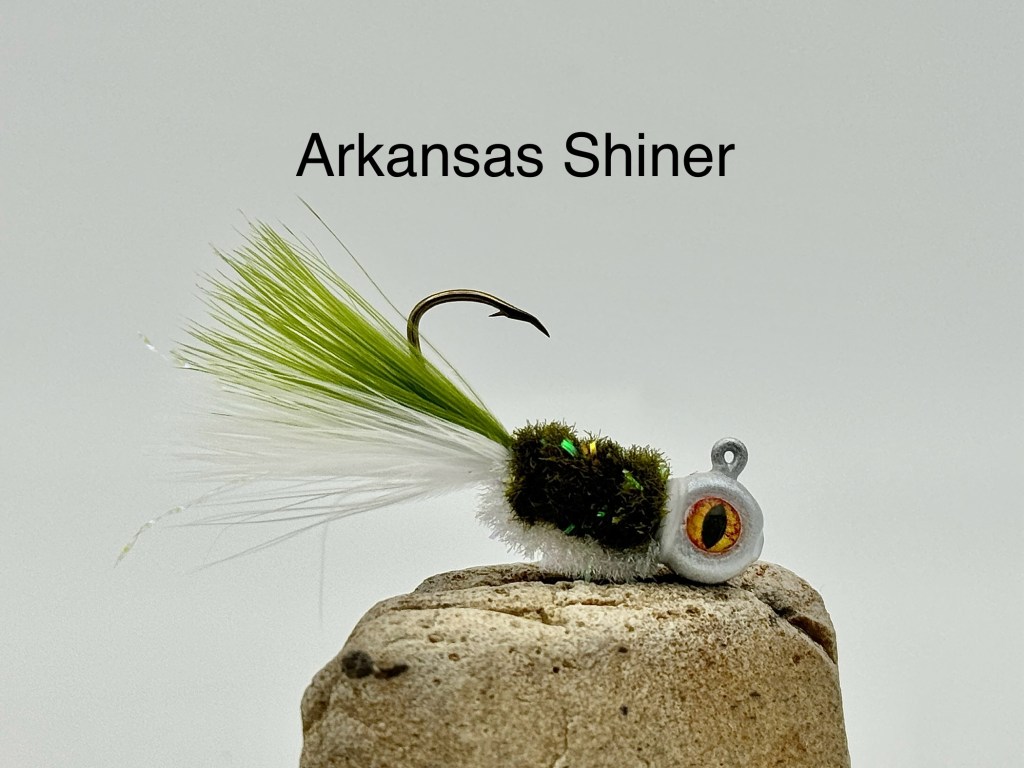
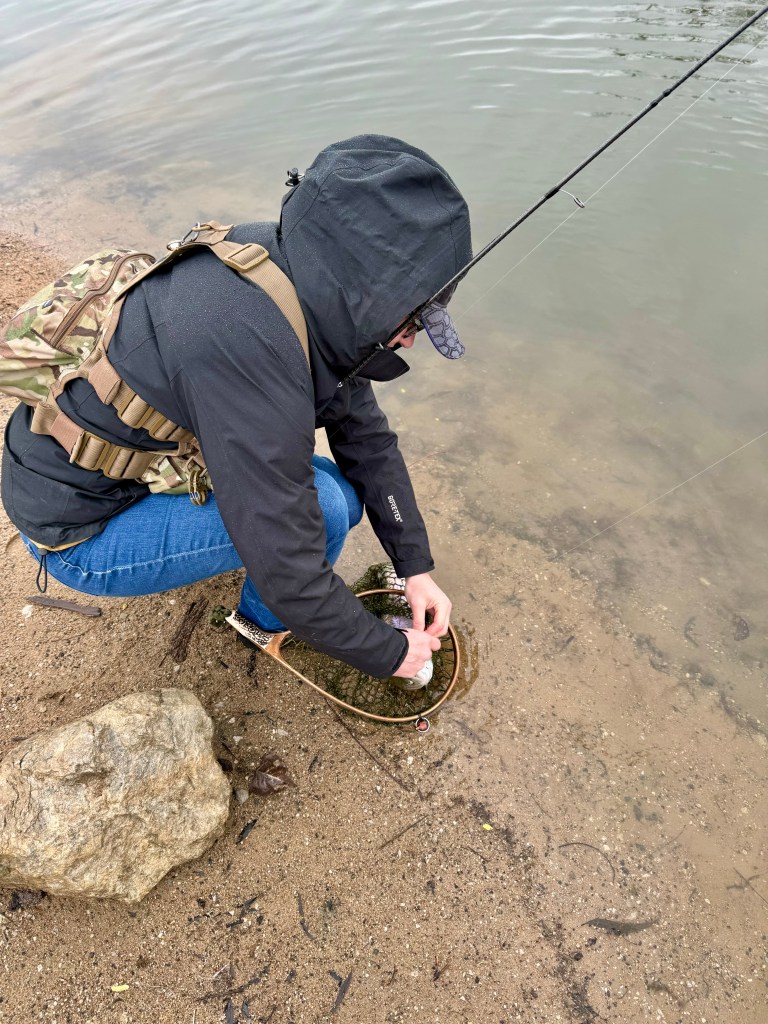
Today was a toss up on whether we should’ve worn our waders or not. Temps were cool but would warm up quite a bit throughout the day. The water was a bit cool due to all of the recent rain, but we opted to skip the waders. After an hour or so of fishing and struggling through some of the crossings, I noticed my wife had a slight shiver to her. We marked a fallen tree up ahead and headed for it. I pulled out the coffee kit that I always carry with me and brewed up a large cup of hot coffee. We snacked on some beef jerky and tied on new lures and by the time the coffee was finished, she was warm, the sun had burned off the fog and the temps were climbing.
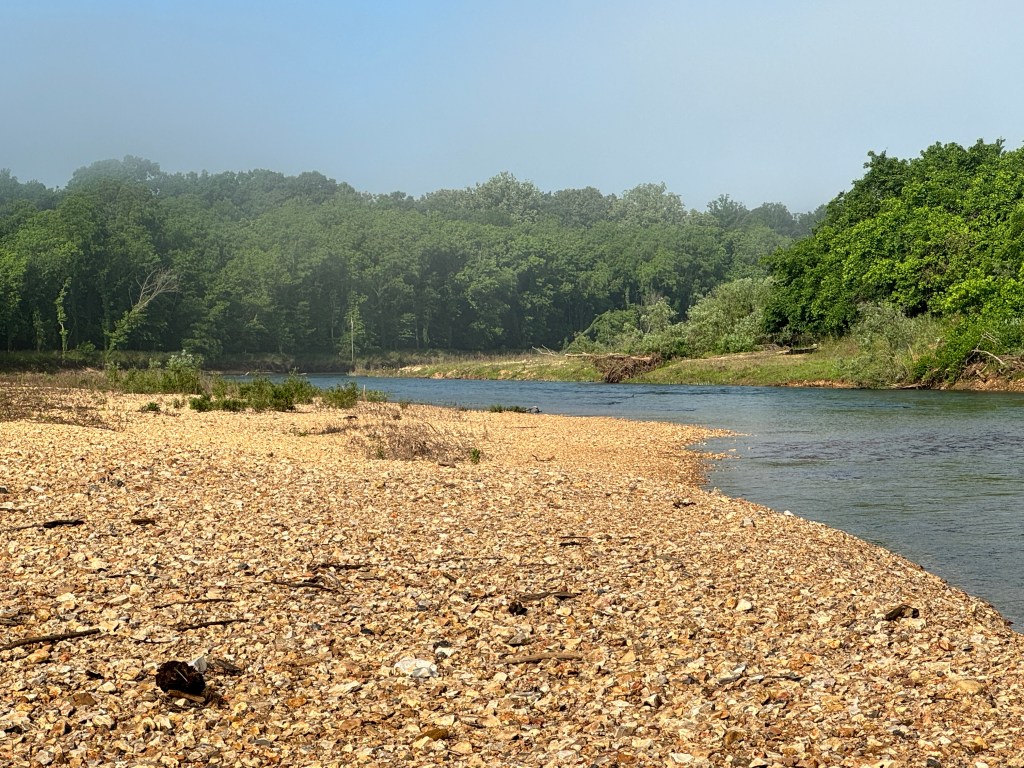
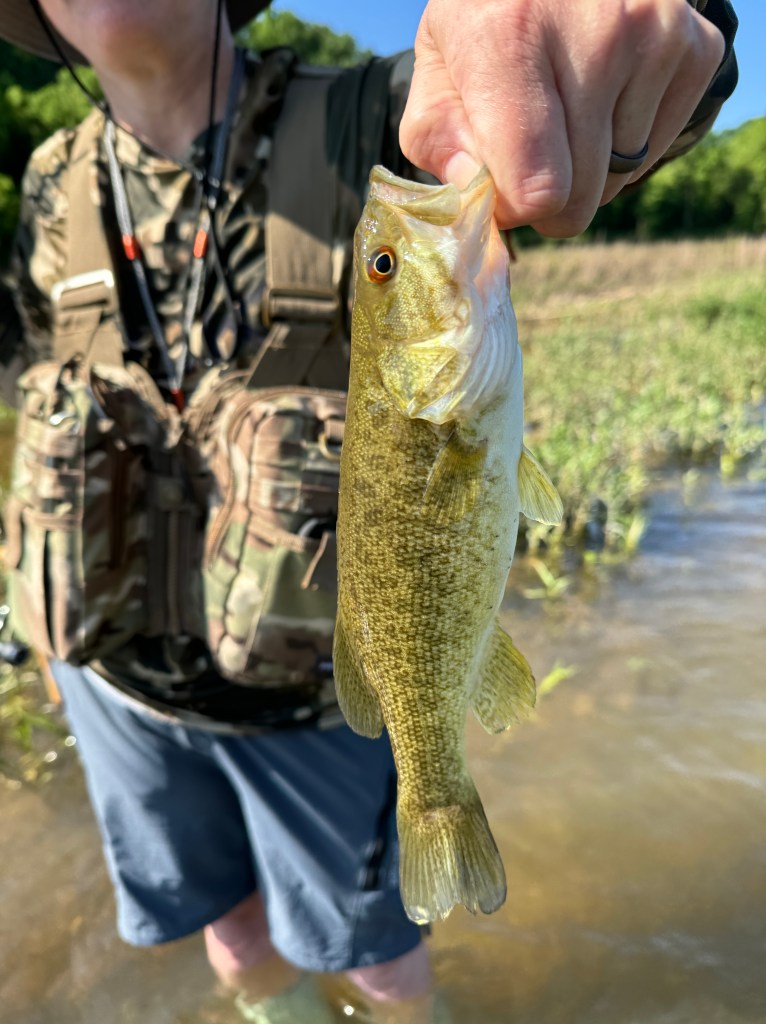
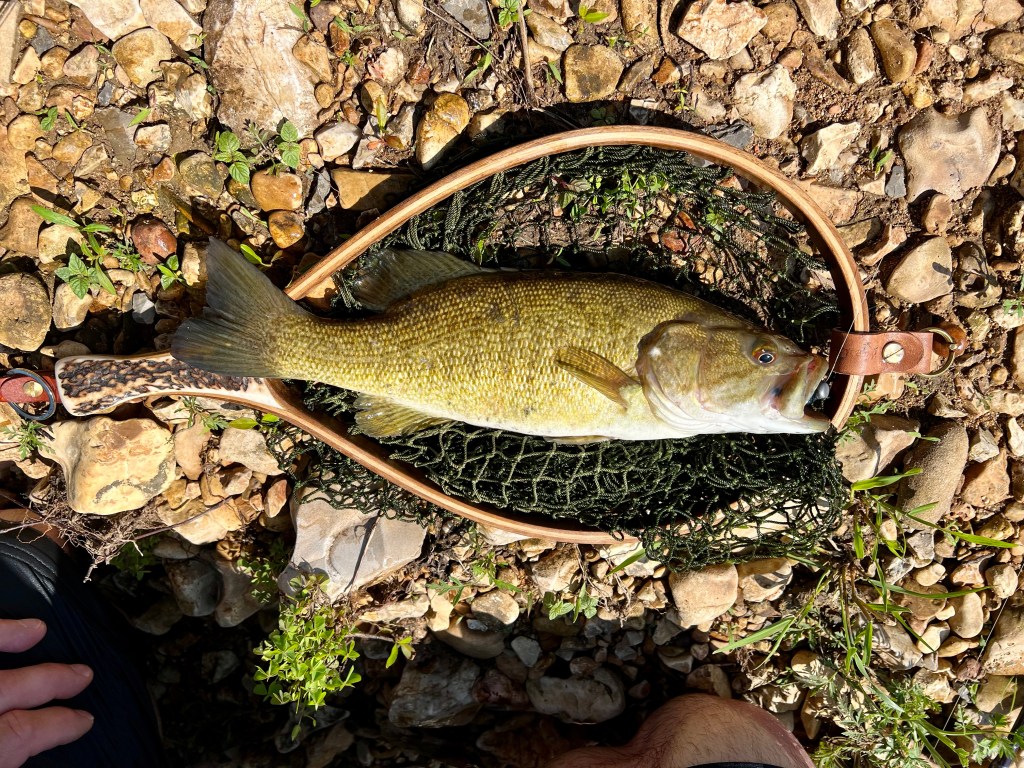
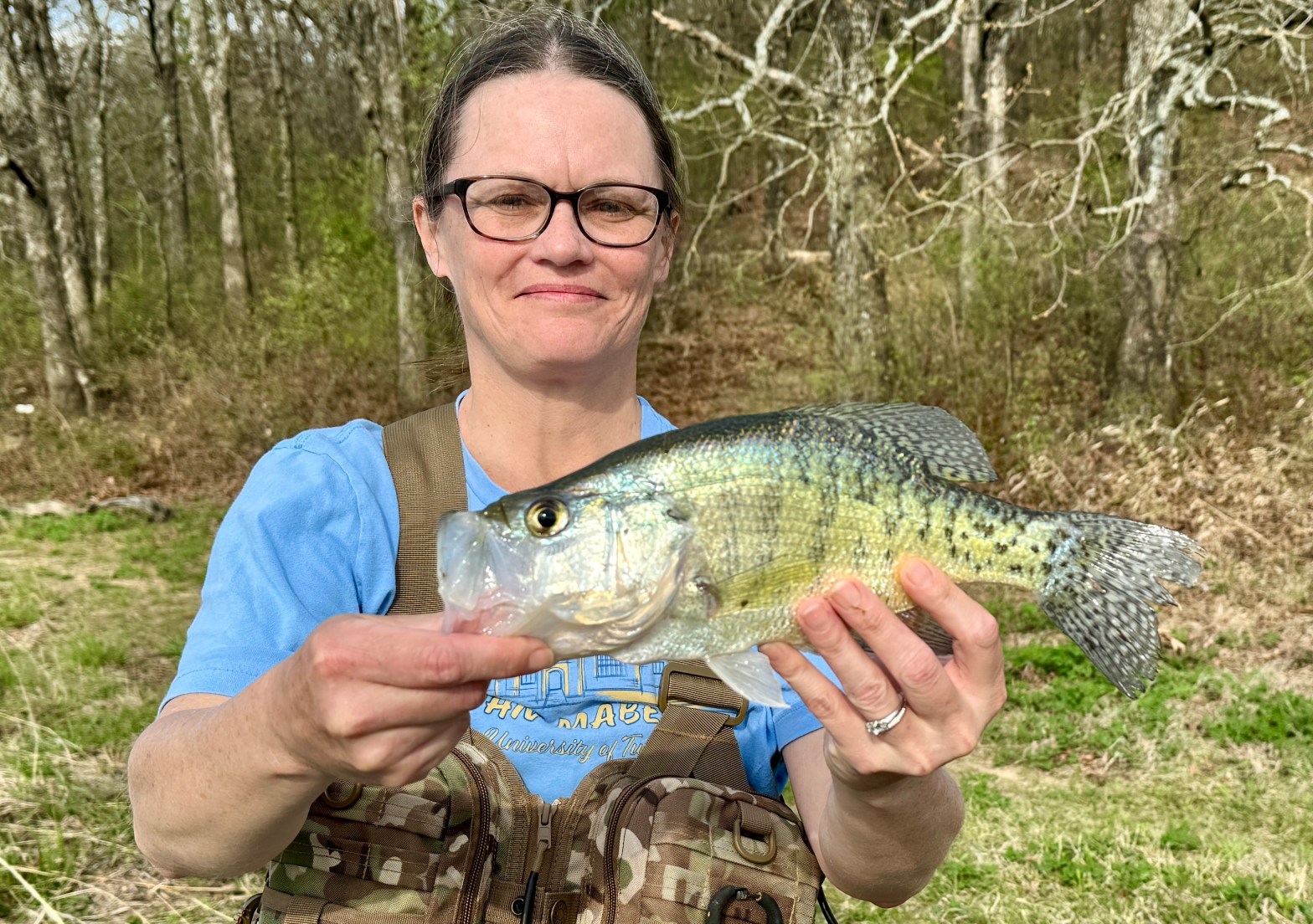
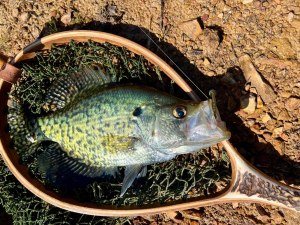
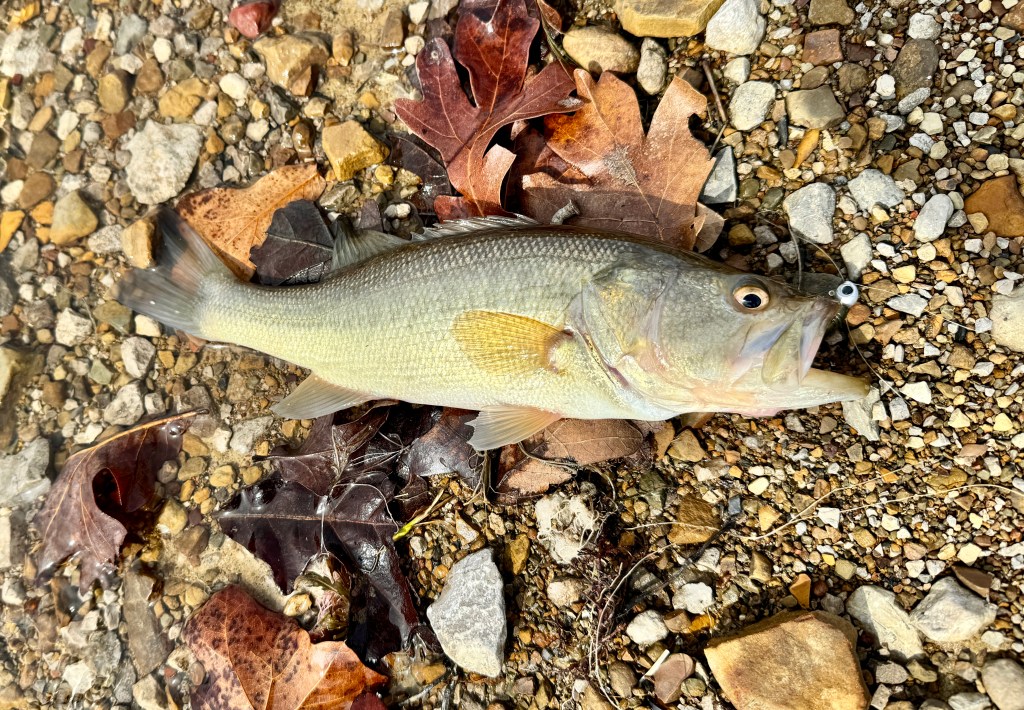
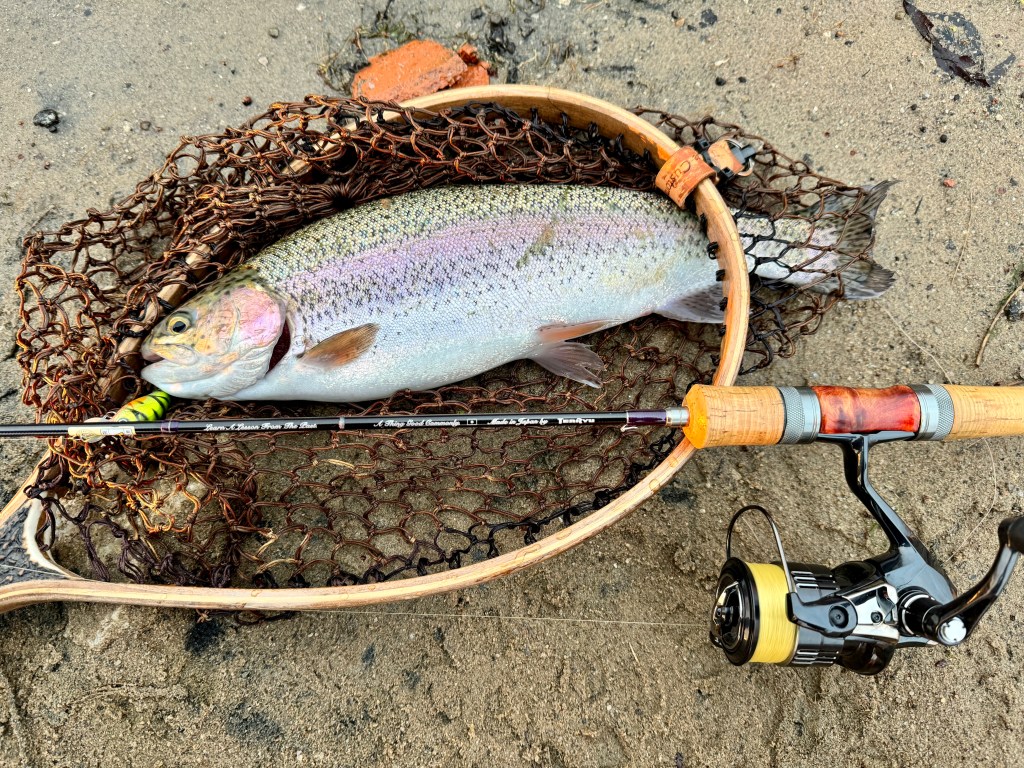
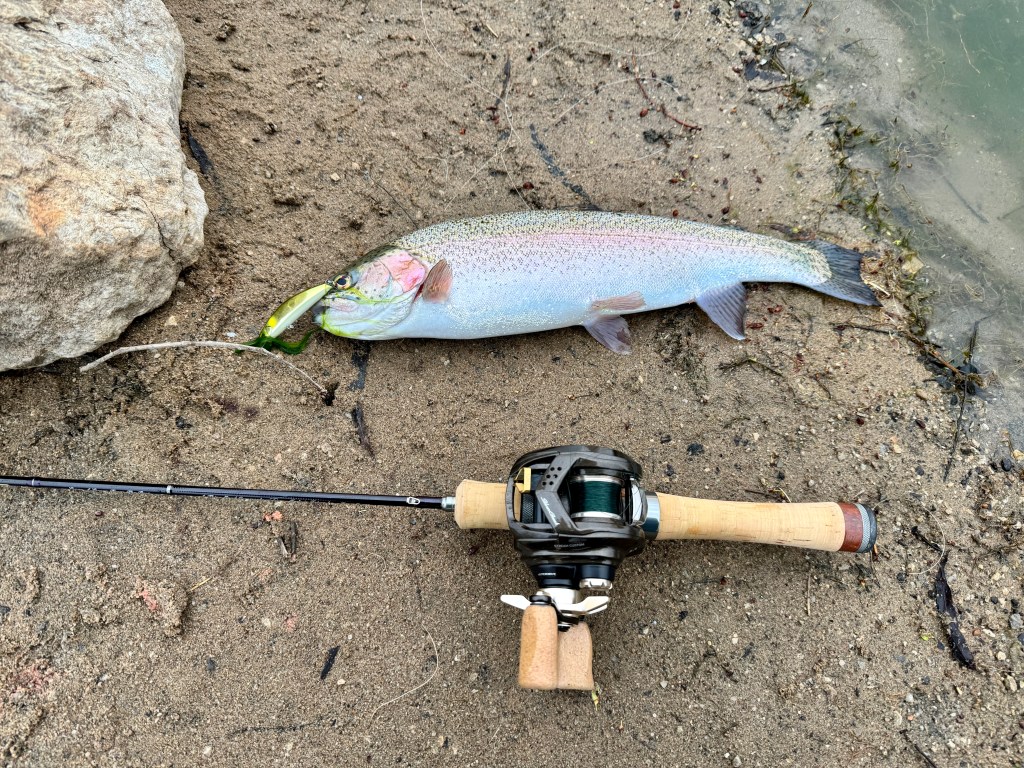
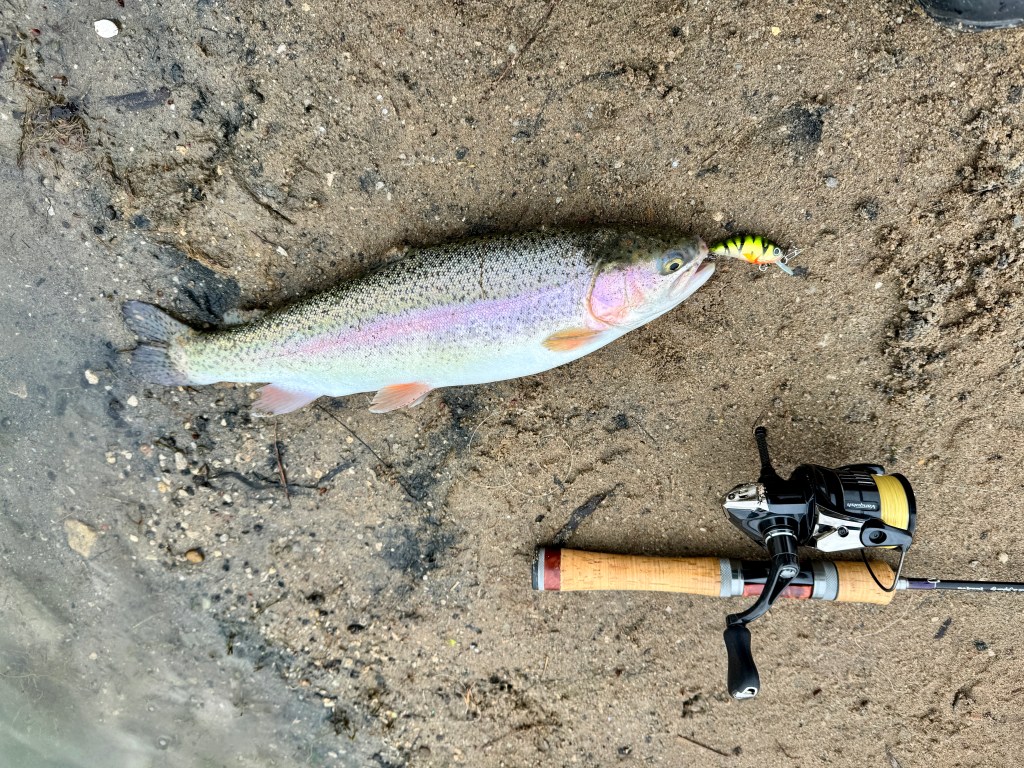
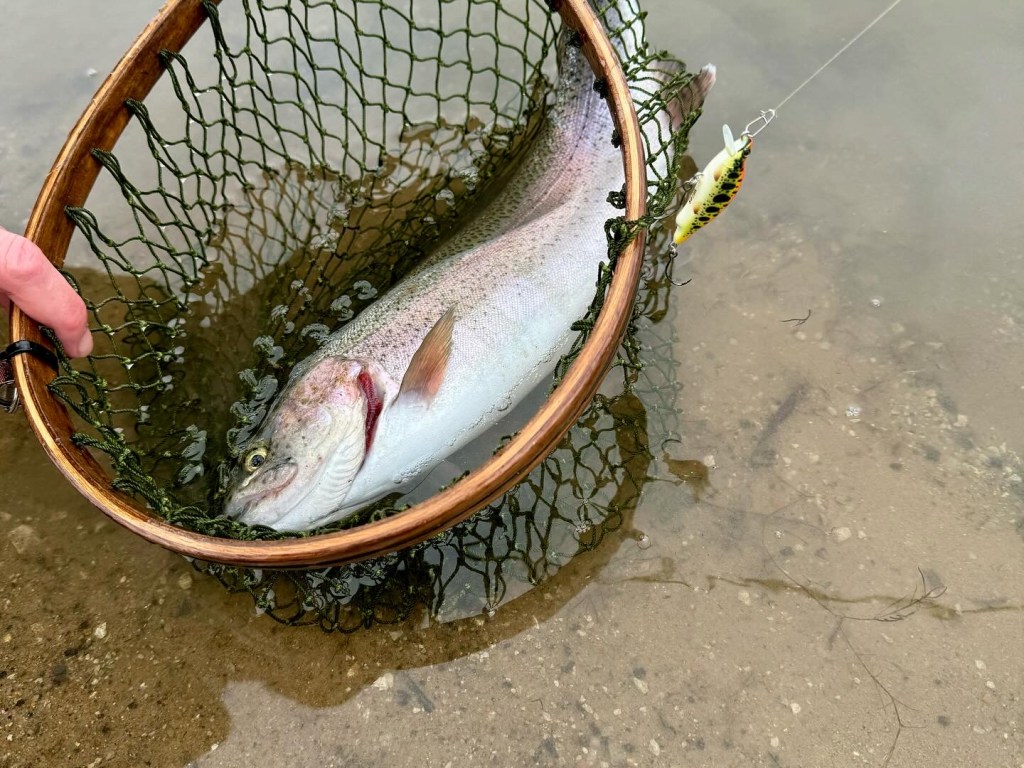
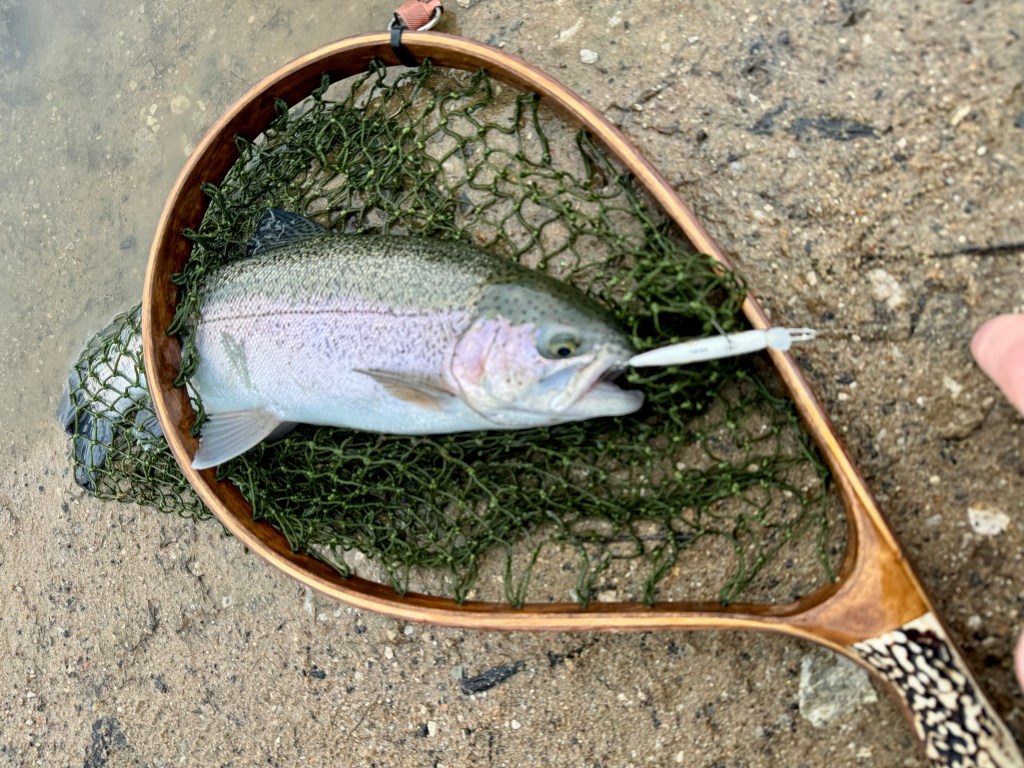
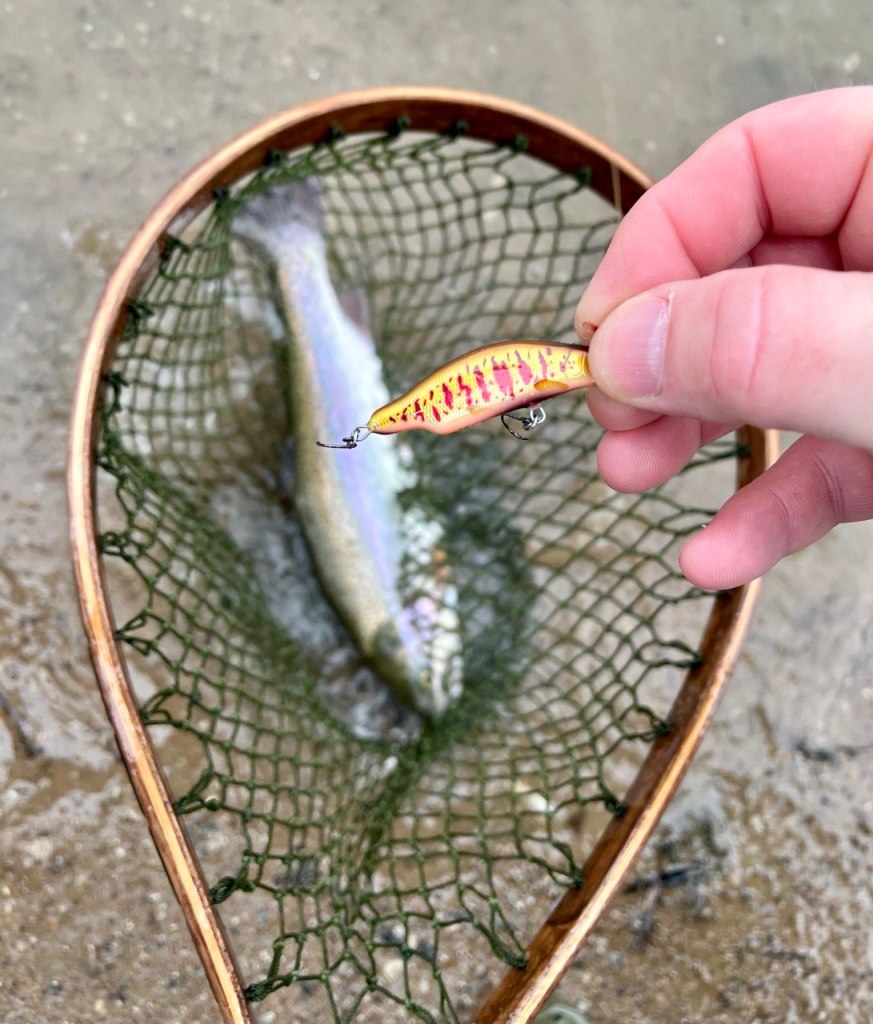
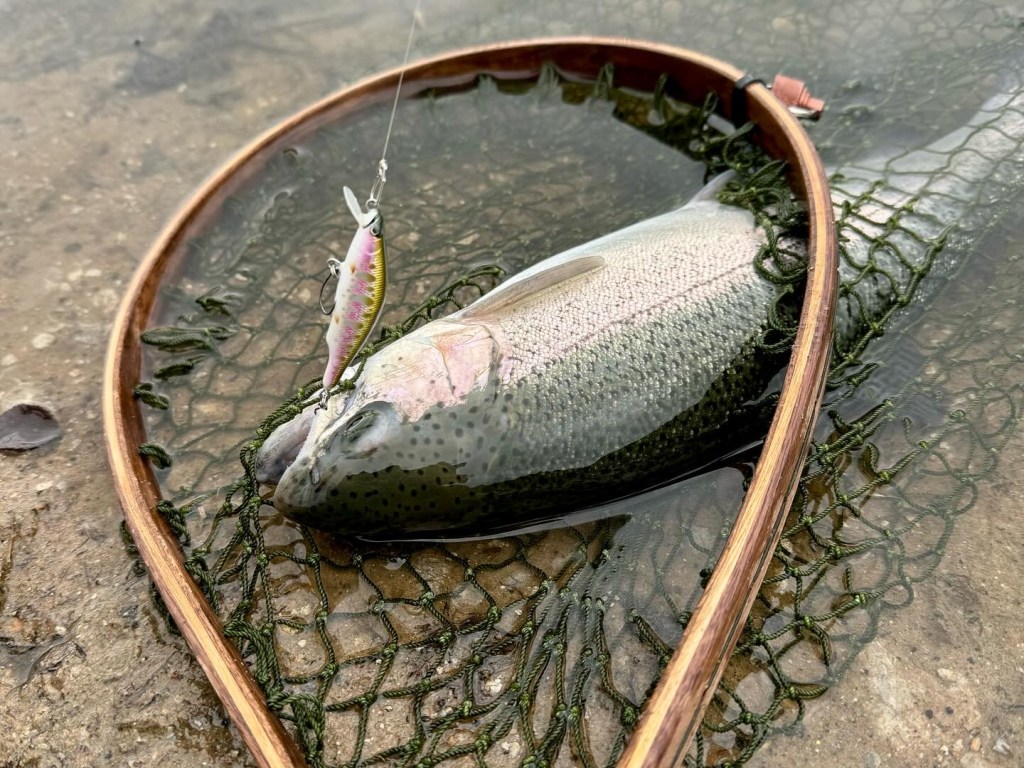
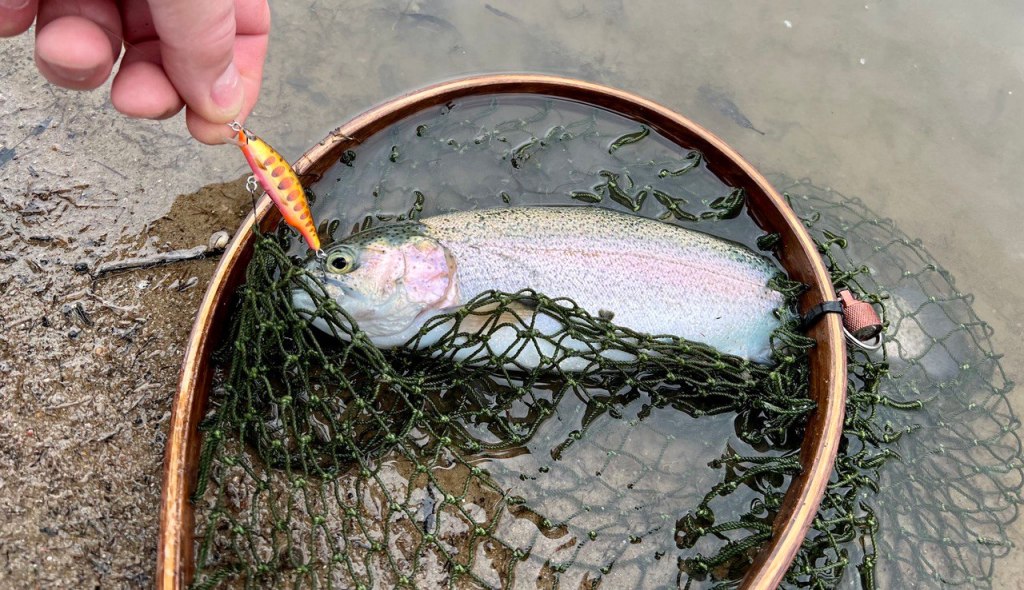
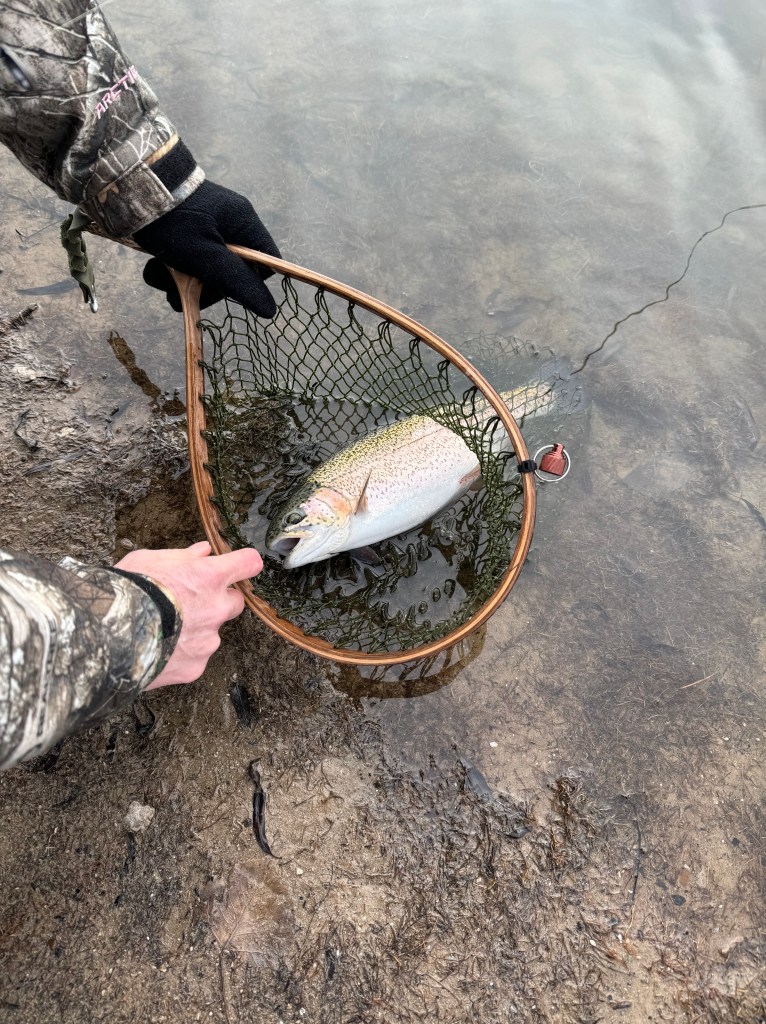
We managed to catch a total of 42 fish for this outing with 3 being of decent size. There were however an abundance of small healthy fish in the river and every single one of those had fat bellies full of food. It was just good to get out and stretch our legs and enjoy nature and each others company. Plus, the temperature was climbing fast towards 90F and the sun was out in full force so we decided to fish our way back to the car.

Thank you for reading and hopefully we will catch you on the next one…
“Eventually, all things merge into one, and a river runs through it. The river was cut by the World’s great flood and runs over rocks from the basement of time. On some of the rocks are timeless raindrops. Under the rocks are the words, and some of the words are theirs.” -Norman Maclean























 Velox Seeker