
I wrote the 4th Episode of Binge Thinking this morning and deleted it shortly after posting it. In fact, I’ve deleted the other Binge Thinking Episodes as well. They don’t really fit into the scope of my blog and nobody gives a crap about what I think anyway. My apologies for any confusion regarding a notification and then not being able to find it.
Author Archives: veloxseeker
Why I Don’t Own a Boat…
It’s because of the expense…pure and simple. I think the prices for boats are ridiculous. And I’d have to purchase a vehicle to tow it.
I’ve owned boats in the past and always enjoyed tinkering with them. Doing modifications and making them more efficient for my needs.
I look at my friends new boat and the new vehicle he bought to tow it and I just can’t justify that kind of expense at this point of my life. I don’t even want to go fishing with him in it. Multiple fish finders front and back and I can see him staring at the locator all day like people are glued to their cellphones. No thanks. I jokingly asked him how much that first bass was going to cost and received a death glare in response.
And since we tend to fish on the weekends, the lakes are way too crowded and it seems like there is a tournament of some sorts every weekend as well. I have no desire to do 60mph across a choppy lake or deal with the “cluster****” that we call boat ramps.
And with the unpredictable weather we have here…if I owned a boat, I’m sure it would sit unused more than I’d like.
I’ll stick to wading streams and rivers wherever I can find them. It’s less crowded, more quiet and slower paced.
Weekend With Zip…
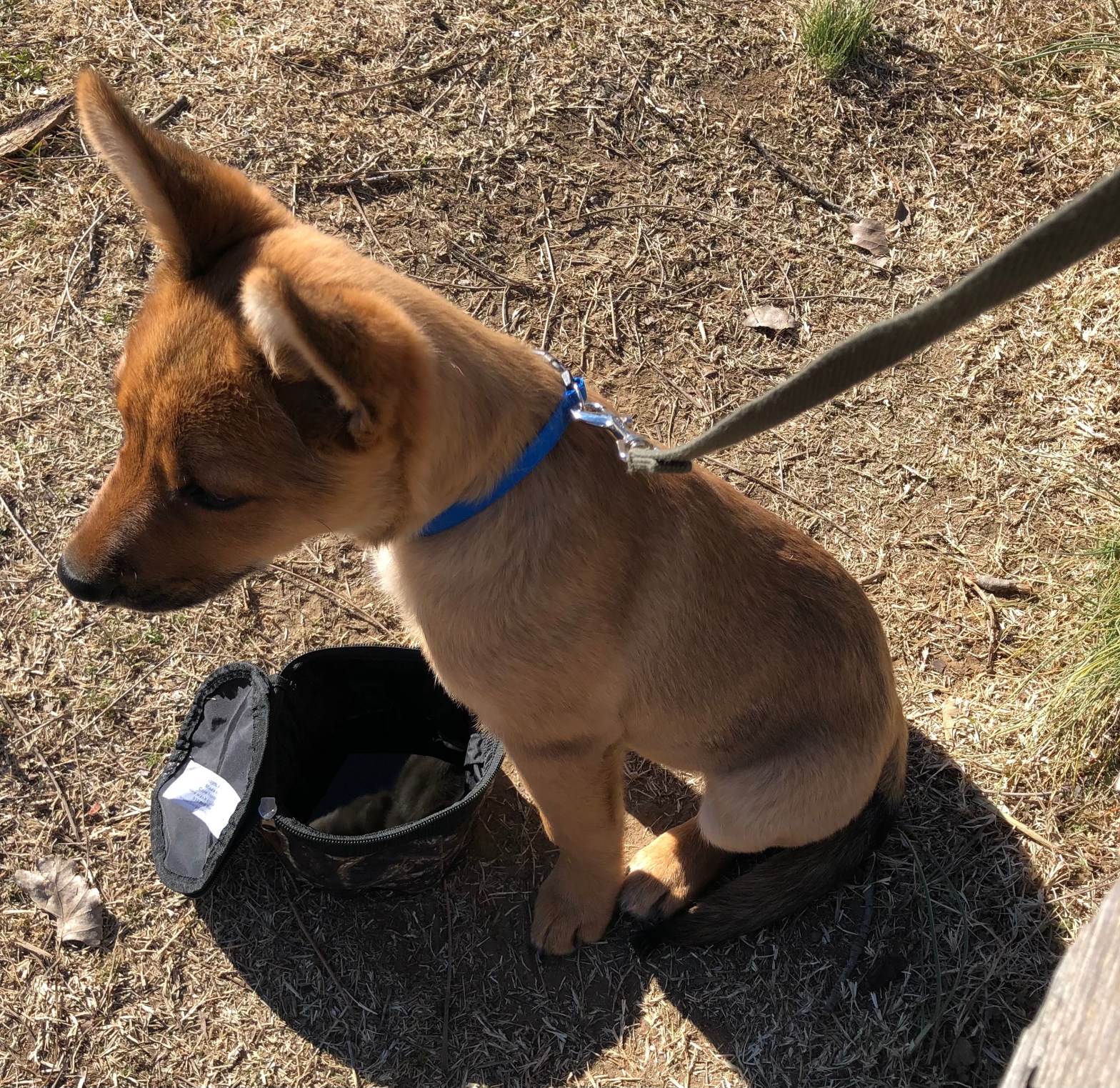
With the weather being really nice this weekend we opted to work with Zip on traveling by car. He still gets car sick so we have started taking really short trips with him. He has never seen a pond or lake before so we decided to begin there.
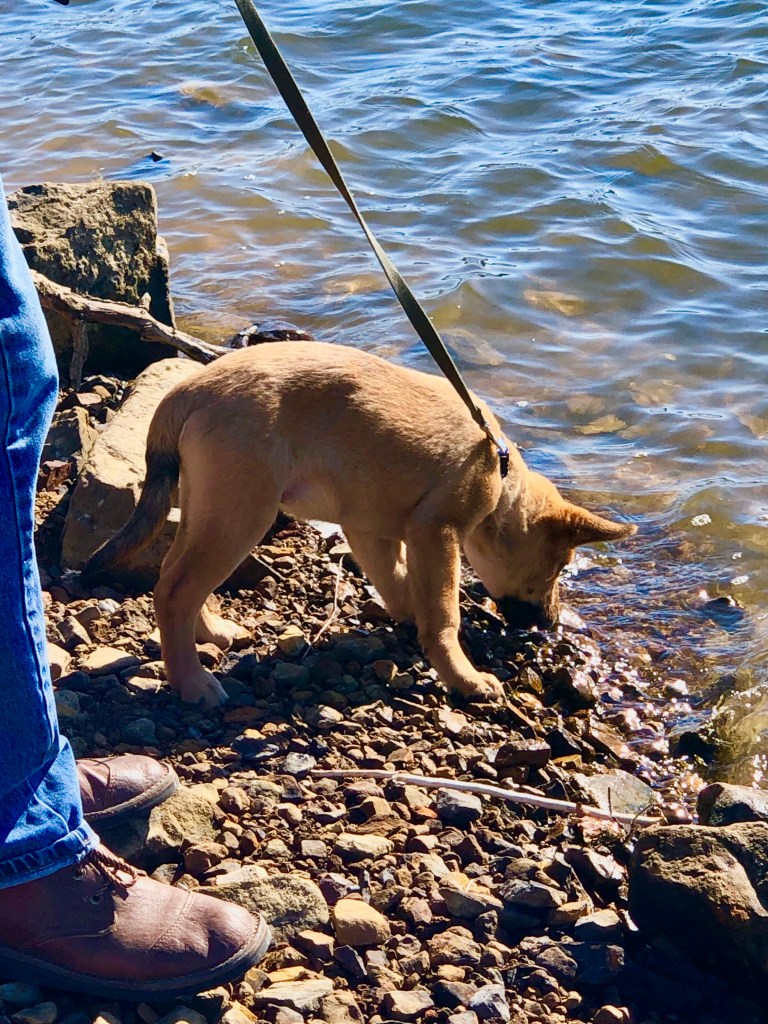
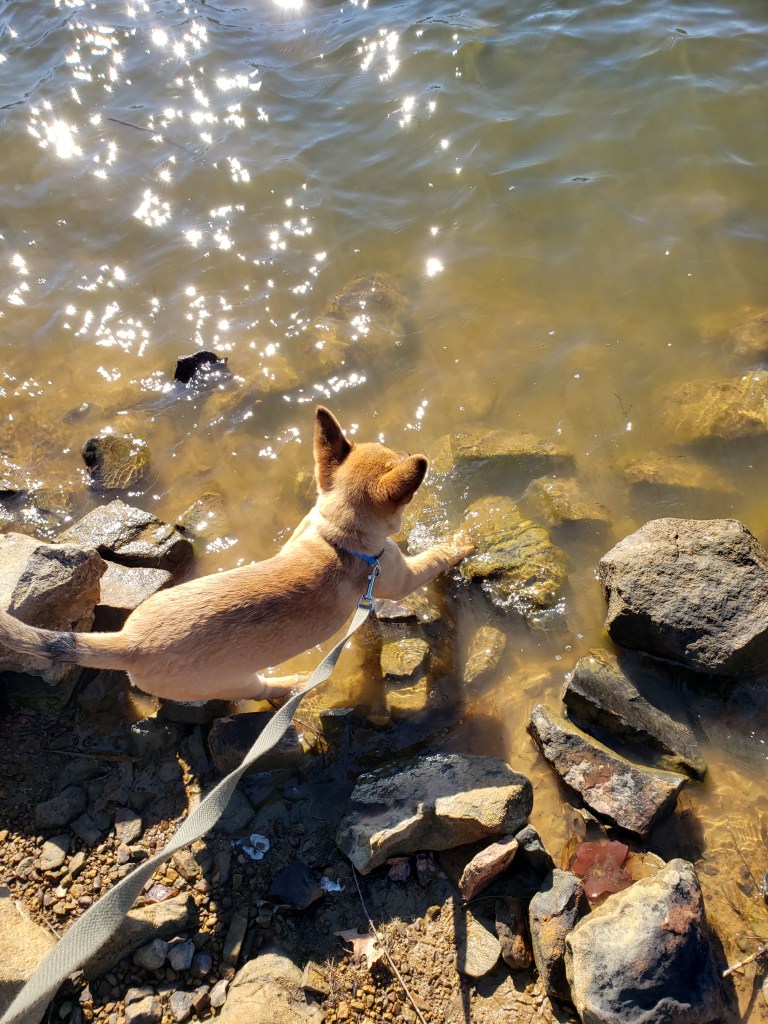
Also, we are still working on the basic commands and he is responding well. He likes to explore his environment so he and I will get along great.
And it would be silly of us not to fish while we were at these lakes and ponds. My wife finally tried out her TenRyu Rayz Integral RZI50UL-4piece rod. She liked it and stated that it didn’t cast as far as some of her other rods but would make a good creek fishing rod. I cast it a few times and concur with her assessment. Definitely not a long-range casting rod.


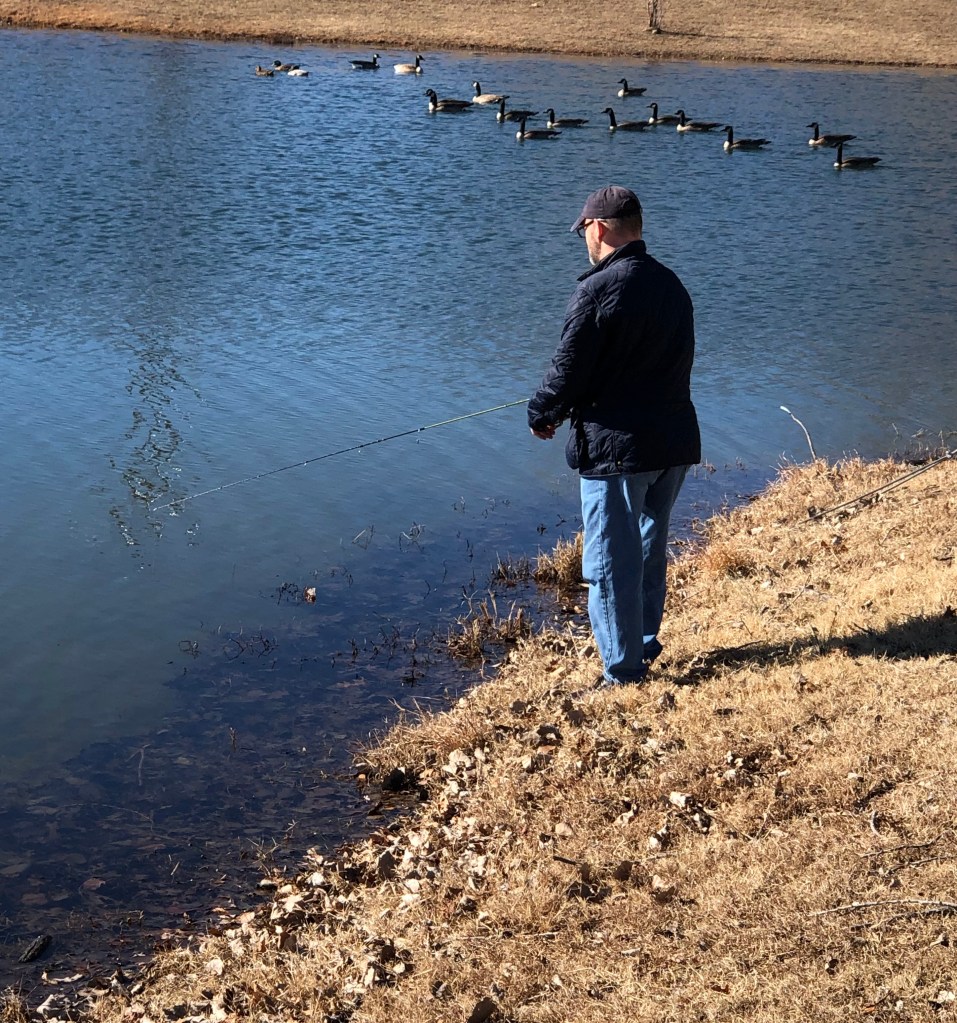
It has been a relaxing weekend so far. Zip is curled up at my feet as I type this blog post. The weather will be taking a drastic turn soon. It is slated to be 71F later today but we have ice and snow as well as 5F temperatures moving in soon. We try to enjoy nice weather while we can. Stay safe out there…
Went to a Local Trout Pond Again…
Wish I had some trout pictures for you but I don’t. The pond was supposed to be restocked yesterday but I have my suspicions. I talked to two other guys who were fishing and they hadn’t caught a thing and hadn’t seen a thing either. When the resident experts aren’t catching anything, you know something is off.
The day started off at 27F with parts of the lake and shoreline covered in ice but it quickly warmed to 39F when the sun peeked over the hills. I went to test out the Daiwa Presso ST 62ML rod and the new 2021 Daiwa Presso LT 1000 reel. The rod casts very well and this reel is AMAZING. I didn’t think it was possible but it is smoother than the Daiwa Presso LTD 1025.
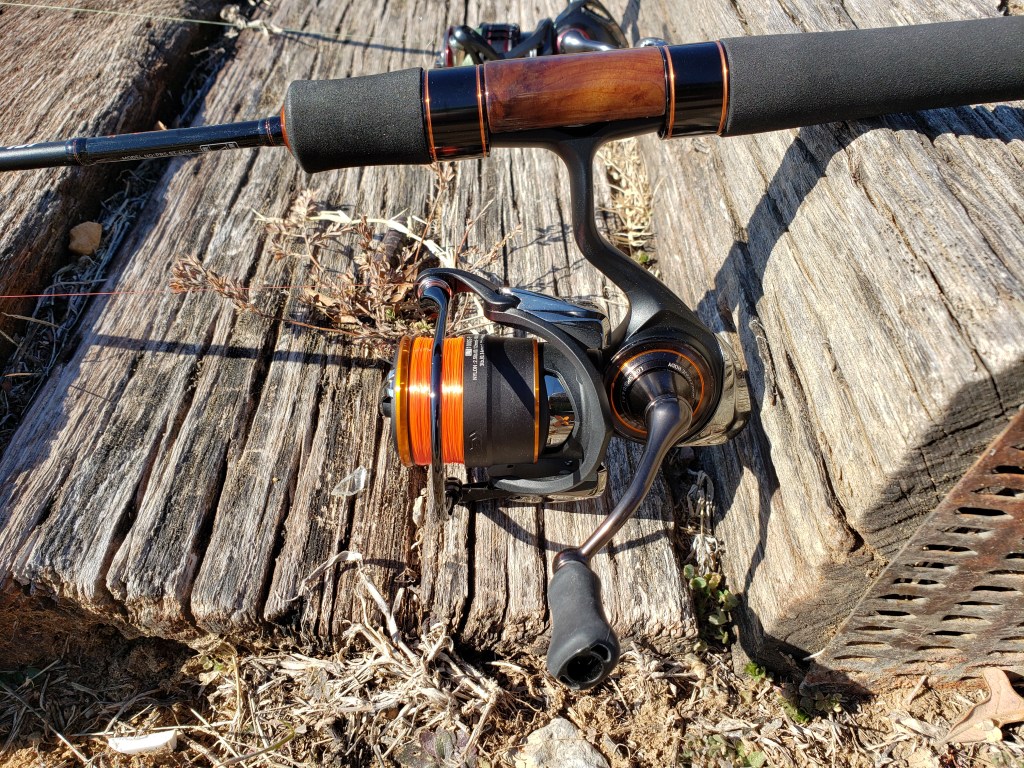
Also, since I received my 2 replacement sections for the Abu Garcia Troutin Marquis Nano rod, I decided to throw that rod and reel combo for an hour. The Abu Garcia REVO MGX Theta 1000S reel is really smooth. This combo is a good matchup and I like the direction Abu Garcia is heading.

And not to be left out…The Apia (Anglers Utopia) Grandage Lite 61. I received this rod yesterday and was really chomping at the bit to try it out. I wish I had tried the rod with the Daiwa Presso LT 1000 reel but stuck with the Vanford 1000 for the hour I fished with it.
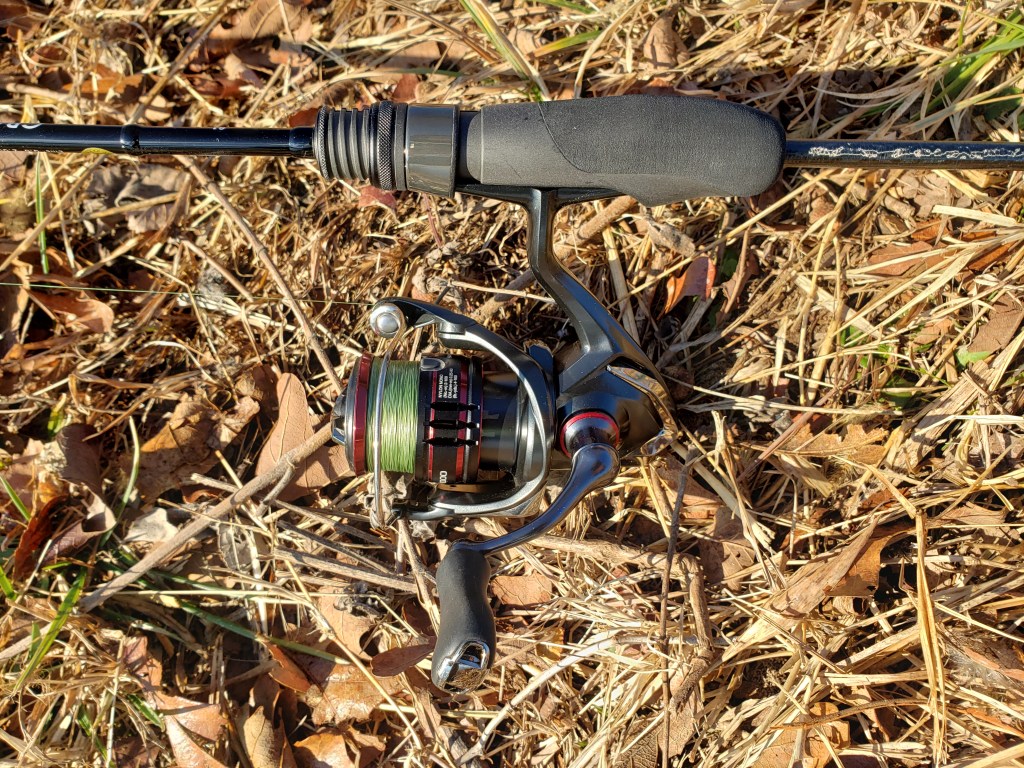
I have ordered a few ceramic bearings for the Vanford 1000 hoping to make it the reel it could be. It seems odd that the Stradic FL 1000 is so much better yet the internals are practically identical. But there is a noticeable difference (slight grinding). Possibly switching from braid to nylon will make an impact…just not sure. Not quite ready to give up on this little reel. When the bearings arrive I may do a complete teardown and cleaning and reapply high grade lubricant.
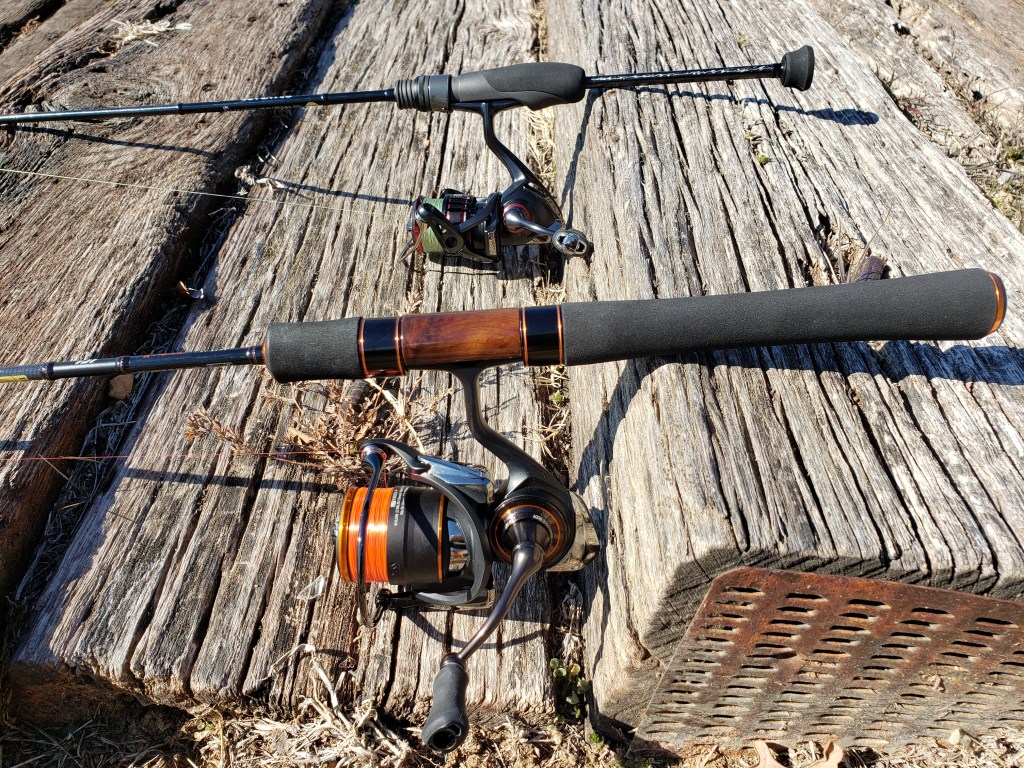
So 3 hours fishing at a trout pond with zero fish caught. BUT…I gleaned a lot of important information from the rods I went to test out. Each was different in their own way, yet all were functional for my wants and type of fishing I like to do. Not surprising since all 3 were designed for completely different applications. The nod definitely goes to the Apia Grandage Lite 61…what a rod!
The Apia Grandage Lite 61 Spinning Rod…
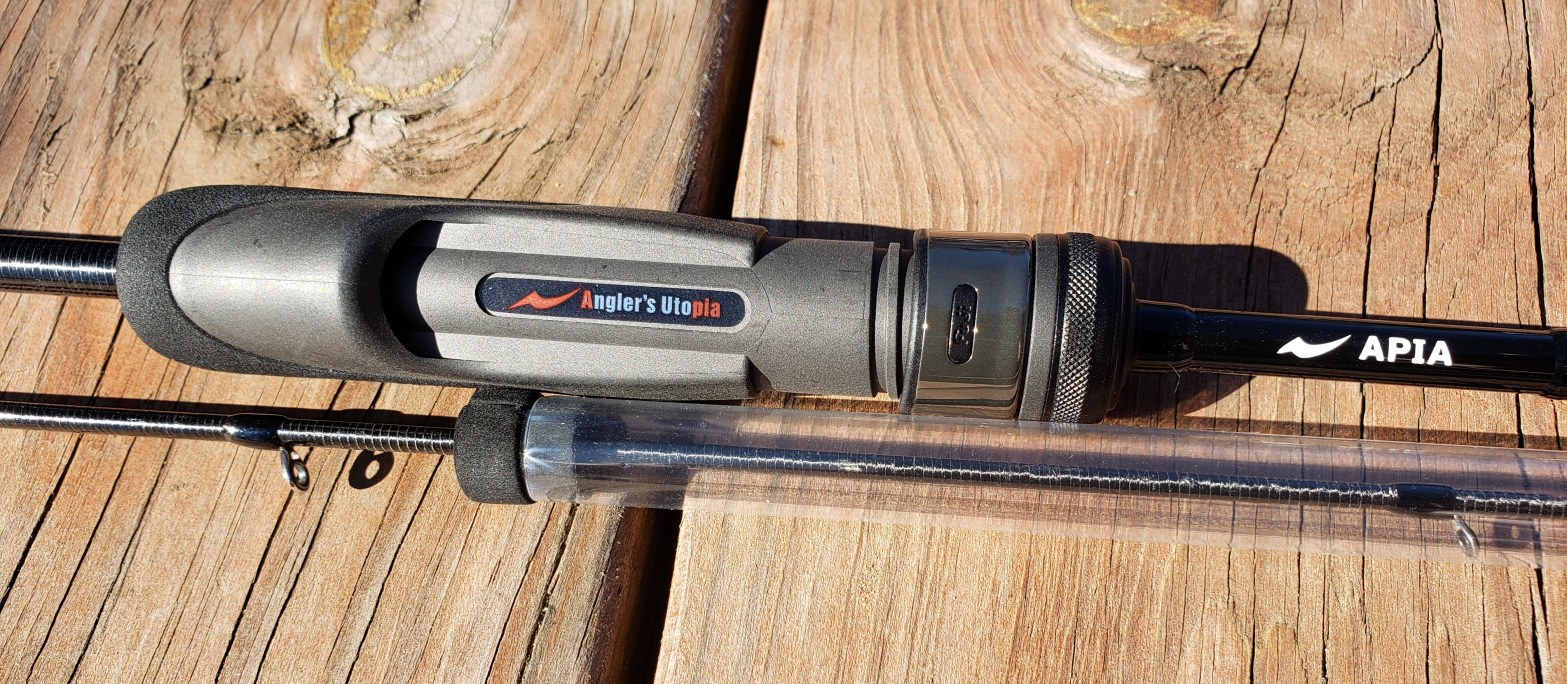
This is an Ajing (Horse Mackerel) rod and as such is relatively stiff. I ran across this rod while looking at UL Saltwater rods and decided to give it a shot. If you remember, my TenRyu Lunakia rod is also a similar rod. There are a couple of categories besides Trout that I look at such as Rockfish, Light Game and Ultralight Saltwater rods.
When it arrived and I removed it from its zippered case and put it together, I was concerned that it might be too stiff. After casting it for over an hour I can say that it is fine and casts a long ways. I’d put it right there with the TenRyu Lunakia as far as casting distance.
What drew me to this rod was the reel seat. As you know, I prefer minimalist style reel seats. The fact that it weighs 56.5 grams was another factor. It does have a solid tip for the last 3 rod guides and that tip is very thin.
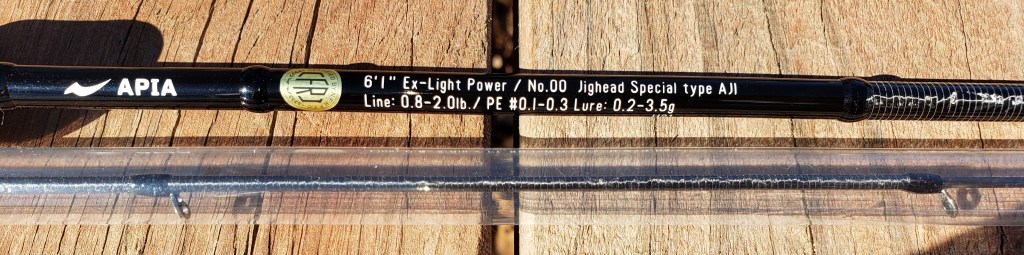


I can definitely see myself using this rod a lot. I paired it with the Shimano Vanford 1000 and it balanced nicely. The Vanford is loaded with 6lb Daiwa J-braid which created a lot of noise throughout the rod. I will more than likely respool the Vanford with nylon line soon. Some Japanese rods are line specific…nylon, ester, fluorocarbon and braid. Something to be aware of when looking at JDM rods. This rod was an absolute joy to cast and even using a 2 gram trout spoon, I could feel the lure flutter as it was retrieved. To say I am impressed with this rod is an understatement!
Apia (Anglers Utopia) makes a wide range of rods in the Grandage series. I noticed they make the Grandage Lite in a 6ft 8in 5 piece rod too. Hmm…..
Finally! The Replacement Sections for the Rod Arrived…
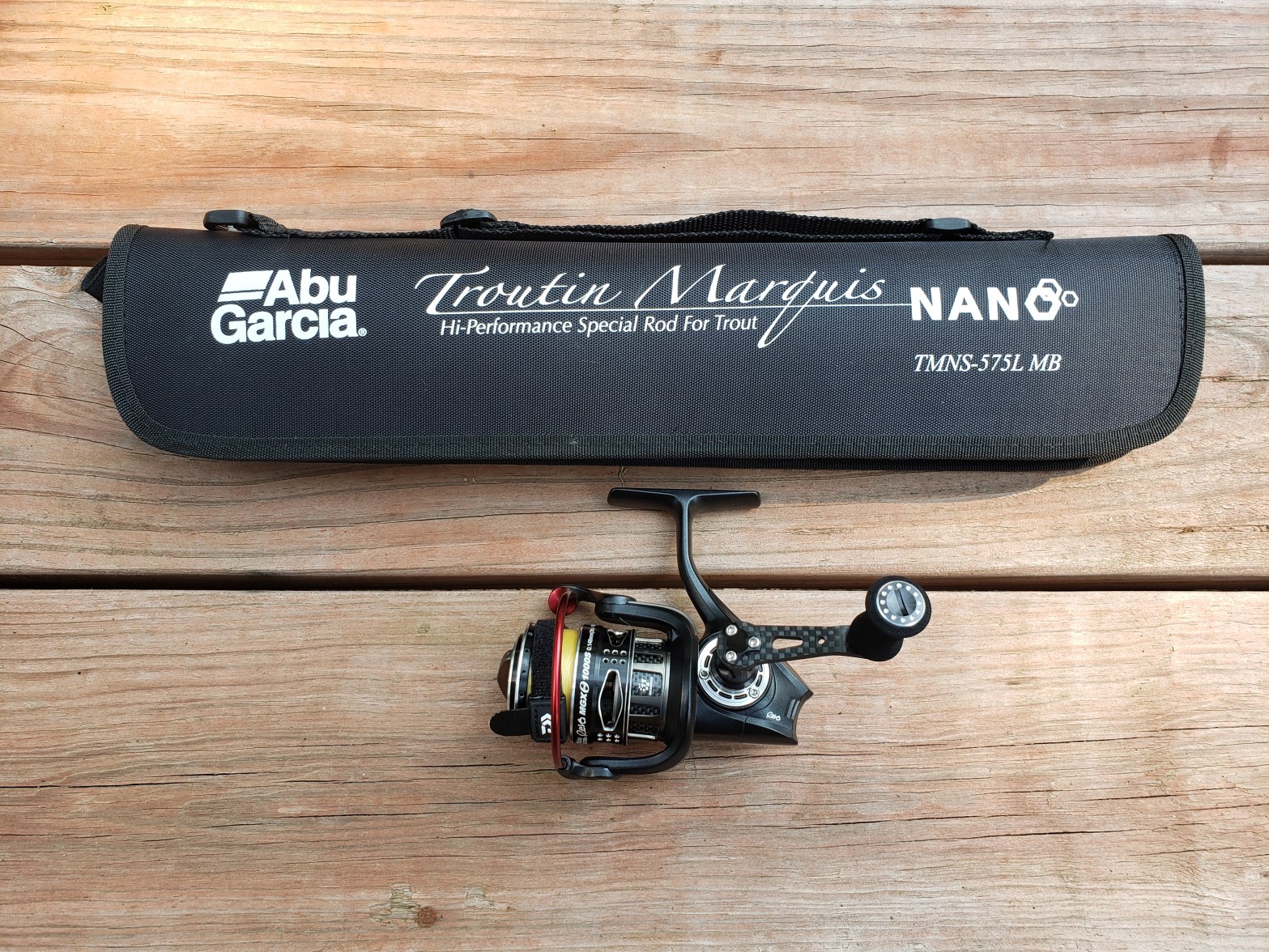
They’re here and my rod is complete again. I’ve been waiting impatiently ever since I received shipping confirmation.
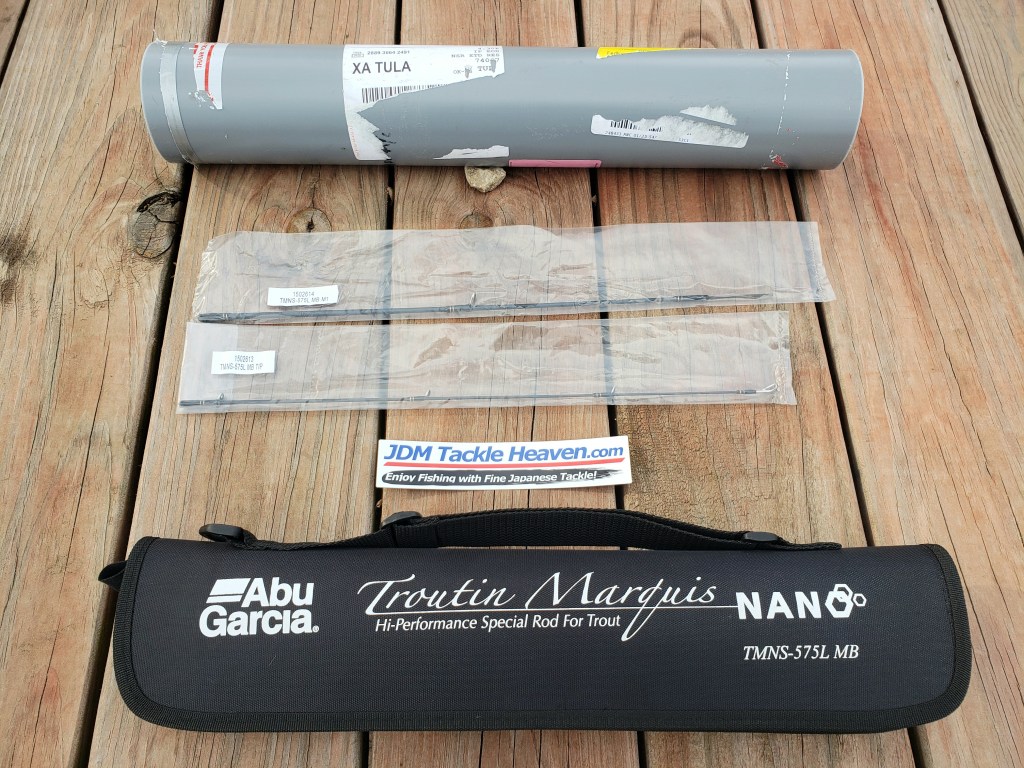

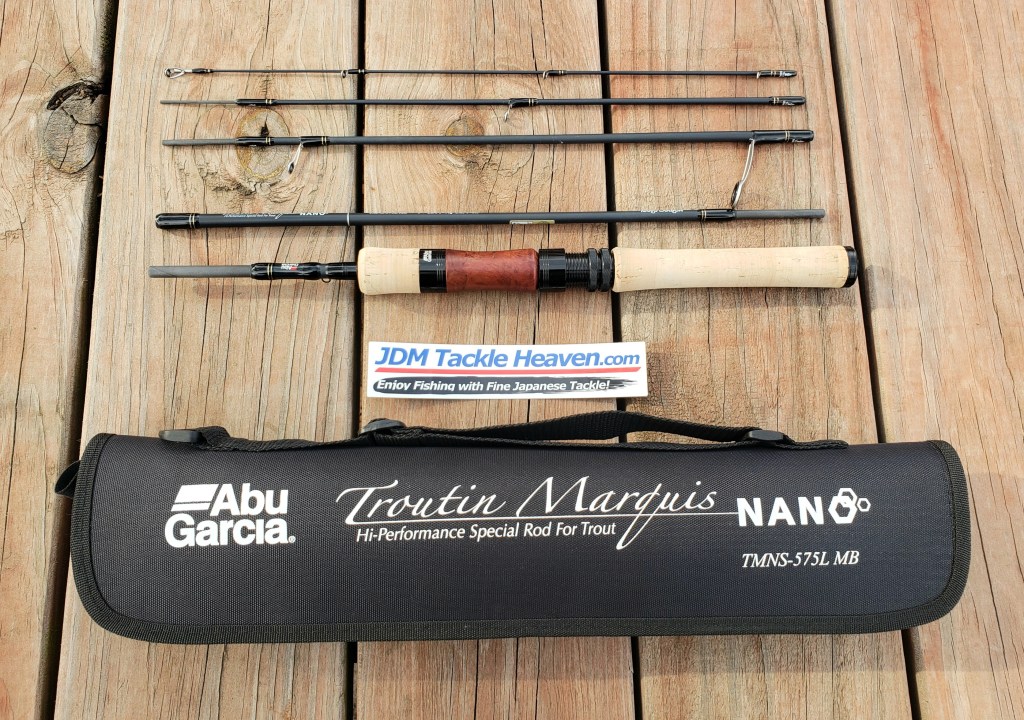
Since I spent a large portion of today running errands and getting chores done, I plan on going fishing tomorrow. Supposedly the local trout pond was restocked this morning so I plan on heading there tomorrow morning.
If all goes well and the weather holds…I have a surprise for tomorrow. Thanks for reading.
NiteIze Runoff Waterproof Pocket…
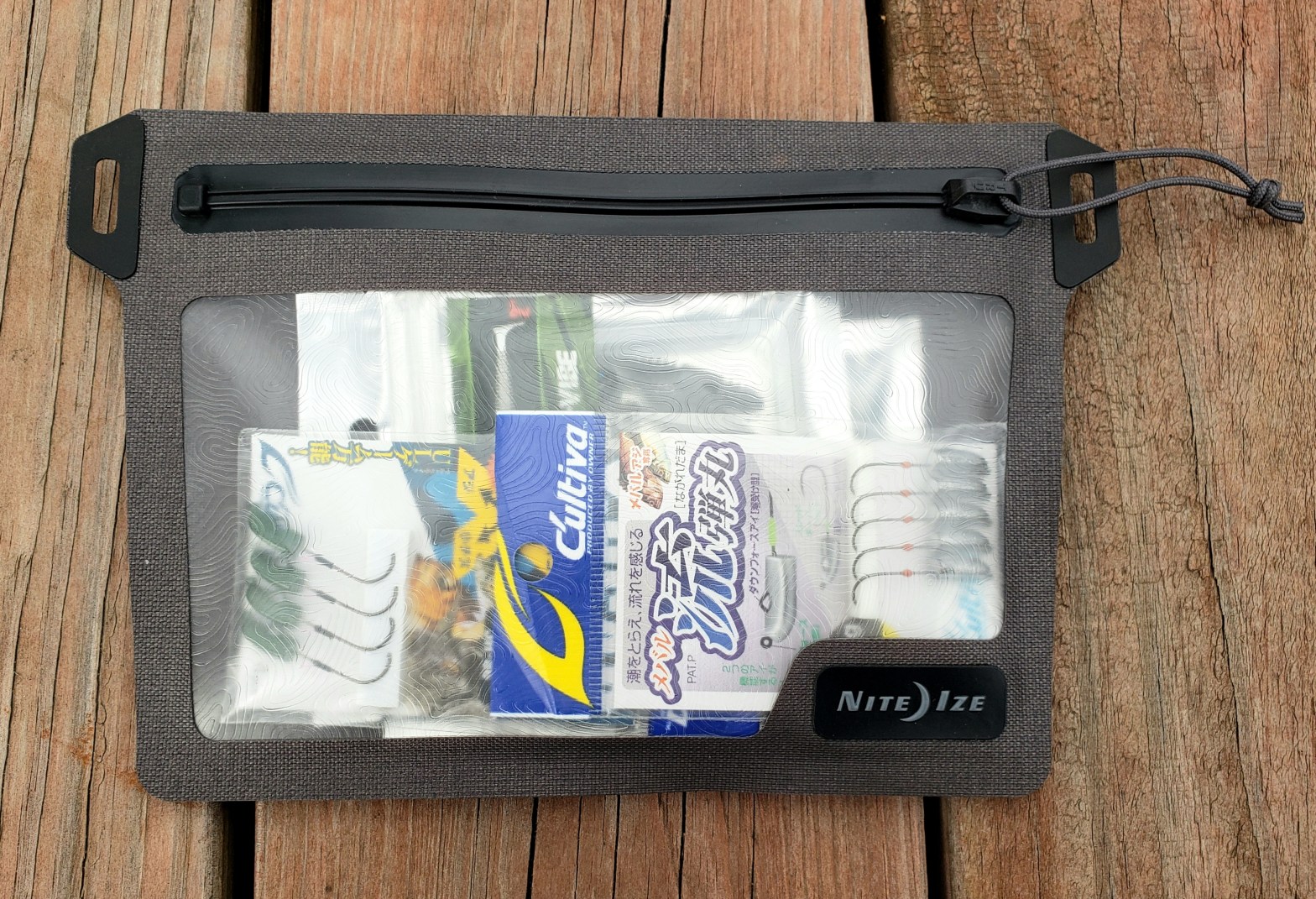
Something I wanted to try for the 2022 fishing season was the NiteIze Runoff Pouch. There were times when we hit the river/stream with only a few jigheads and a package or two of plastics. This little pouch will fit the bill. Waterproof TruZip zipper and IP67 rated to 1 meter should suffice for us.

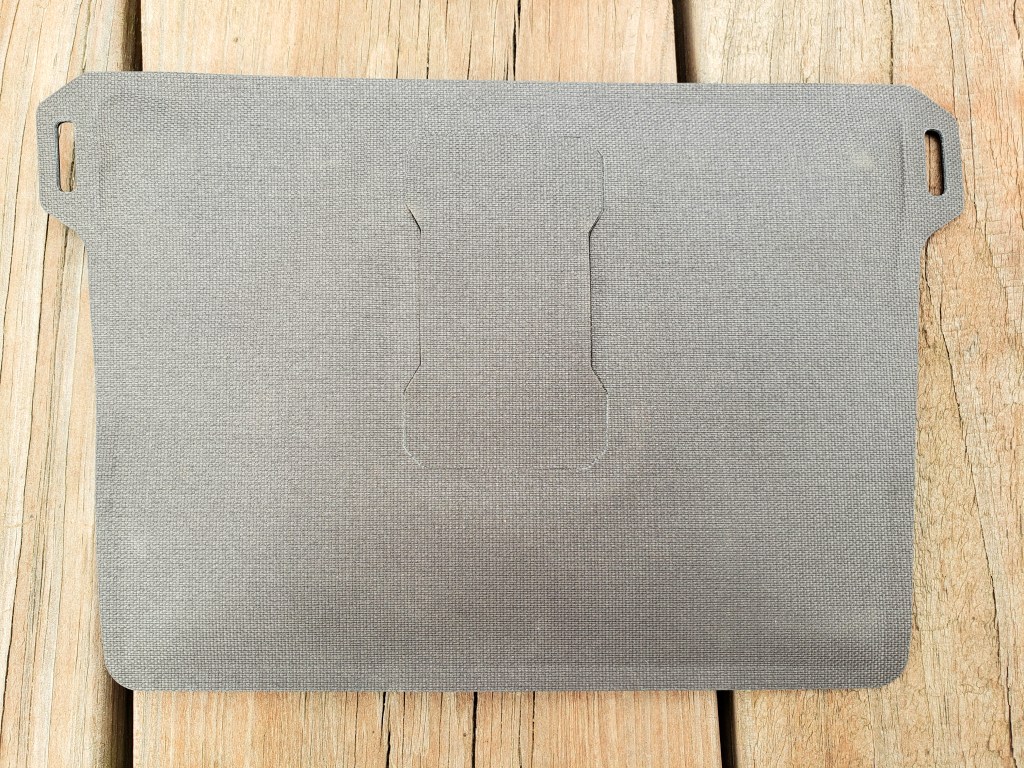


I think this might work really well. It’s thin and unobtrusive. This waterproof zipper is a lot easier than the TiZip on the Yeti Panga and Patagonia Stormfront slingpack. I may just make a little 1/2 inch webbing belt for it instead of using the single belt loop on the back. I think that would keep it from sliding around better.
An issue we had last year was waterlogged packages of plastics and some corrosion on the jigheads. This will alleviate that. I prefer to keep my most used lures such as these readily accessible.
Can’t wait for Spring to fully test this idea out…
Chasing Perfection…
So many rods and reels…so little money. Being a curious person by nature isn’t helpful at times. With the multitude of technological advancements happening in the fishing industry, it is difficult to choose that ONE rod that does it all. It doesn’t exist and never will. I know this and yet I keep fighting it and keep searching for the perfect setup.
Honestly, I could spend weeks just doing research and refining my needs and wants…but that doesn’t catch fish. But with all of the “Graphite Wizardry” coming out of Japan, It’s hard to settle on one rod anyway. In a land of specialization and variety, the choices are endless. And that doesn’t help my cause. The concept of “perfection” is very subjective anyway.
And as I learn more about JDM fishing rods, the wider and deeper the “rabbit hole” gets. Area Trout, Native Trout, Ajing, Mebaru, Rockfish, Light Game etc etc equals more options, more decisions. Factor in lanquage translation and videos, for an outsider, it appears to be an obsession.
I plan on doing a group photo of all all the JDM rods we have, which might be a bit disconcerting once we actually have them layed out. The plus side is that we do use every single one of them. And we haven’t bought a bad rod yet, which is nice. How’s that for rationalization?
And I will state emphatically that this gear has definitely made our fishing better both in catch-rate and fun. And I haven’t even started looking at Japanese made fly rods! Hmm…Beware the Rabbit Hole!
Zimmerbuilt Tailwater Pack…
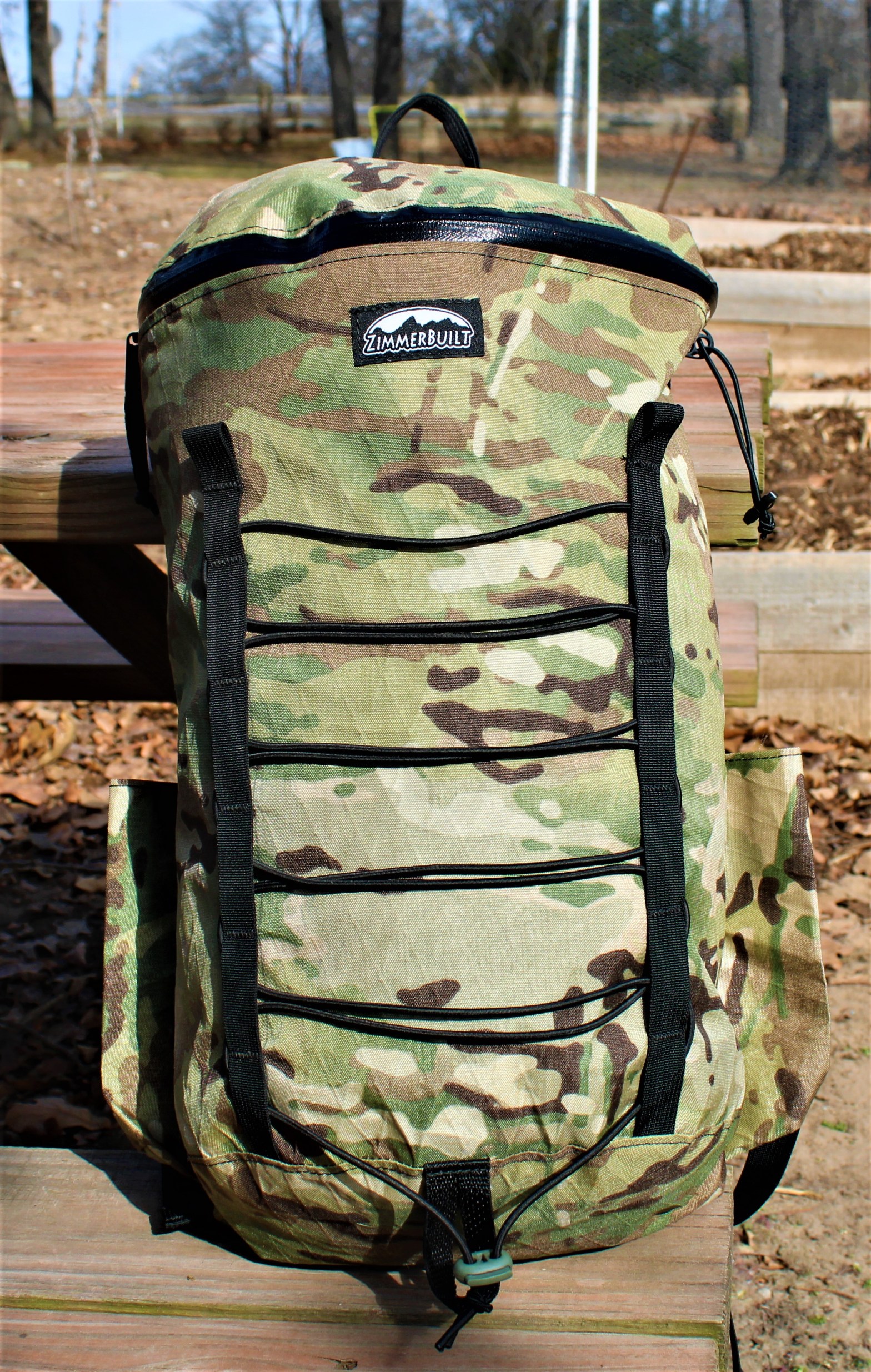
I purchased this pack several years ago to use when fishing streams. You can find it on their website http://www.zimmerbuilt.com under “Tenkara Gear.”
Specifications:
-VX-21 fabric
-Capacity: 1300 cu in.
-Height: 19.5 in tall
-Width: 11 in at the top and 10 in at the bottom
-Depth: 6.5 in
-2 external Tenkara rod holders with shock cord retainers up top.
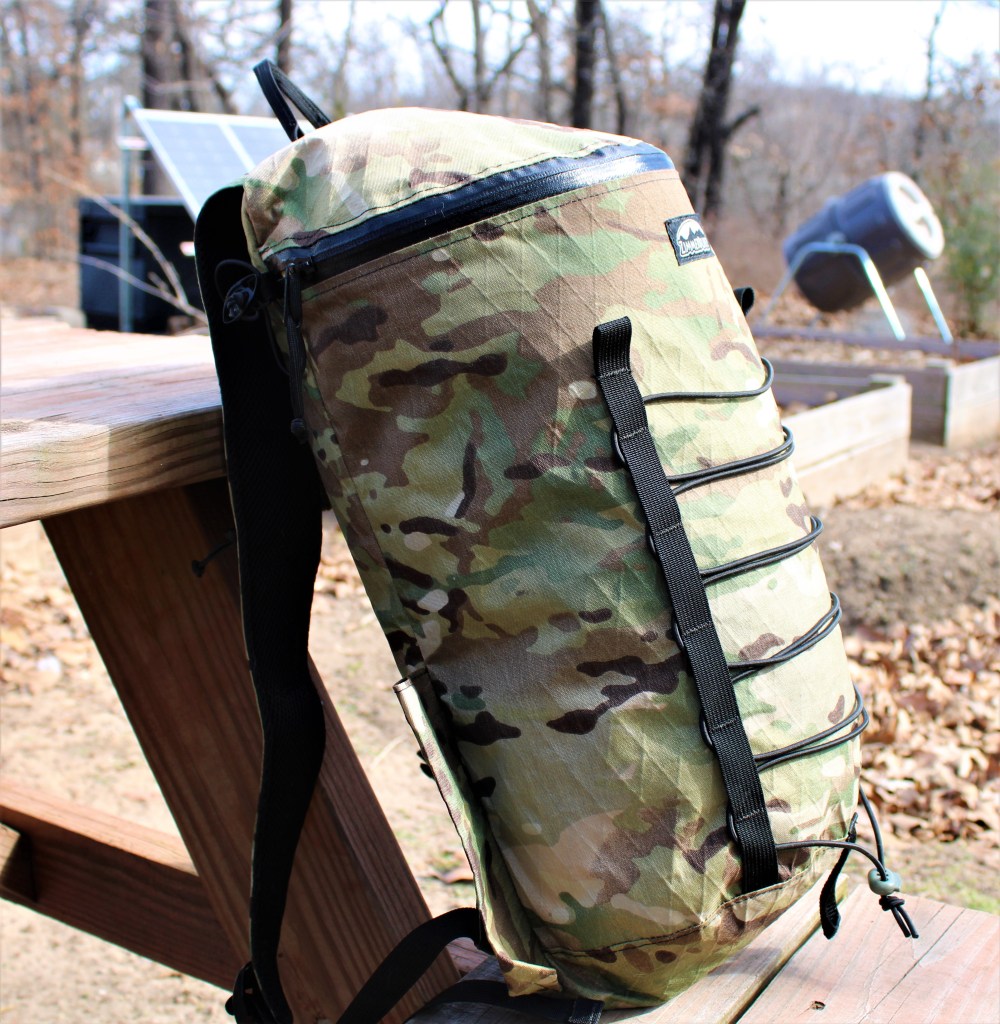
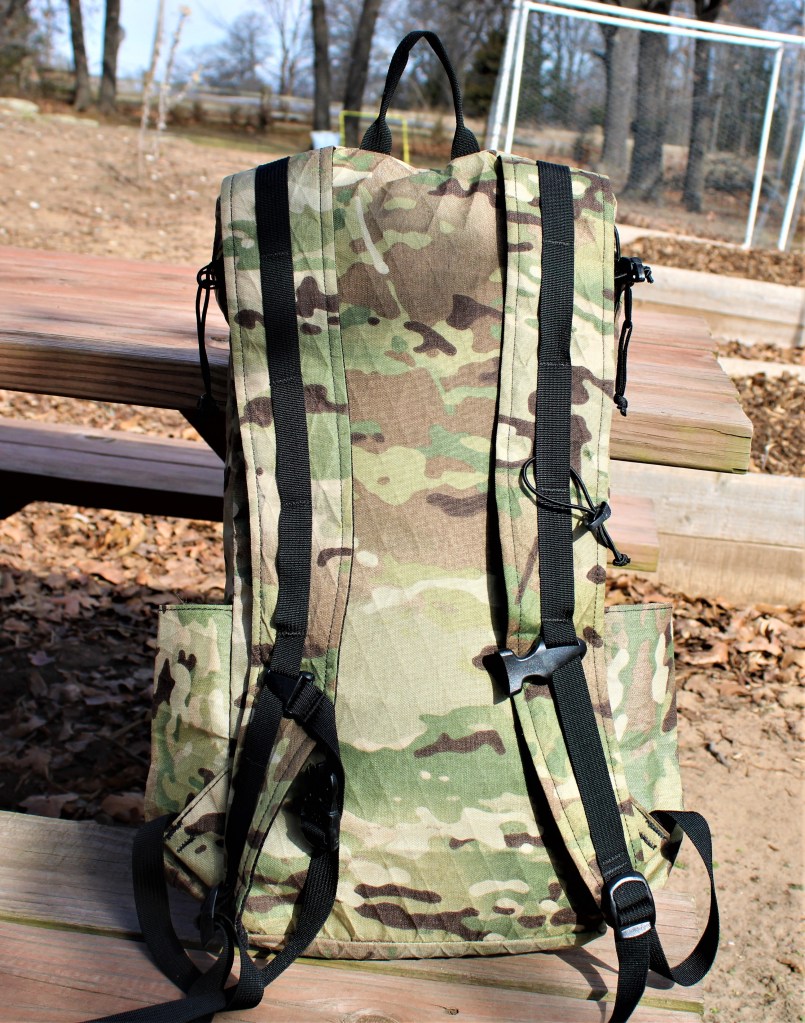

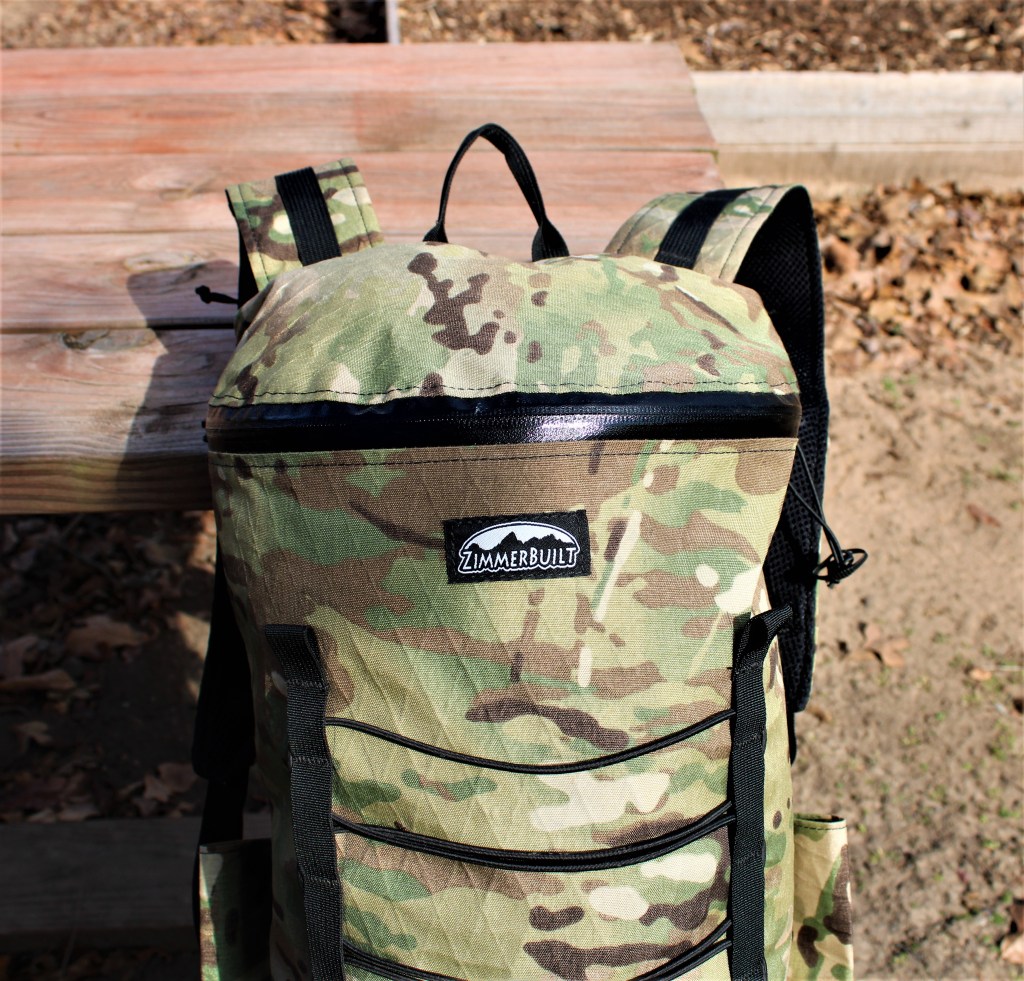
This is a very well made pack and runs $95.00 on his web store. This is the lightest pack I own for fishing, coming in at 8.75 ounces. Perfect for carrying a rainjacket, water bottle and lunch, as well as some fishing lures or small tackle pouches/boxes. The back is unpadded so I added a piece of half inch closed cell foam to protect my back from sharp objects. It is not waterproof or submersible but rather highly water resistant. I can attest to fishing in light rain for 6 hours and everything stayed dry.
I don’t do Tenkara fishing and have never used the rod holders on the side. Instead, I break my rods down (4-5 piece) and store them inside.
I like to have several options of gear to choose from so I can tailor my needs to the trip.
A Tale of Two Rods…
It was the best of times, it was the worst of times…I’m being overly dramatic by quoting Dickens, but I understand the frustration occurring in his novel.
The two rods, The Daiwa Presso ST 62ML and the two replacement sections for my Abu Garcia pack rod, shipped together from Japan on the same day. Both arrived in Anchorage Alaska and both arrived at Memphis Tennessee on Friday evening. For some reason, one continued on to Tulsa where it was subsequently delivered yesterday. The Abu Garcia rod parts just disappeared in “tracking limbo.” Found out last night despite the “Scheduled Delivery January 24th by 1630” message that the rod parts were sent back to Anchorage Alaska. Nice job FedEx!!!!
This isn’t the first time FedEx has messed up a shipment going through Memphis and I may opt for shipping via DHL from this point forward. I bring this up not to complain (too much) but to highlight a very real pitfall to ordering JDM rods from Japan. Interestingly, I’ve never had an issue with reels ordered from Japan…just rods. As a sidenote…JDMTackleHeaven packages their rod shipments in PVC pipe with the ends well secured and clearly labelled as to destination. Outstanding packaging.
I am curious as to whether this will be chalked up to the usual COVID supply chain problems as opposed to the real cause…imcompetence. Time will tell. But in all honesty, I’m grateful they don’t ship through California, what with all of the mass theft and looting going on there. In fact, I do my research before ordering to absolutely avoid having anything shipped through California.
This is just a cautionary note and your mileage may vary…good luck.
Daiwa Presso ST 62ML Spinning Rod…

I had pre-ordered this rod back in December and it arrived today. I’ve been hearing good things about the Presso ST rods and decided to try one for 2022.

Specifications: Daiwa Presso ST 62ML
- Length:6’2″
- 2 piece rod
- 97cm break-down length
- Weight: 75grams
- Line weight: 2-5lb
- Lure weight:0.8g-5grams
- 8 rod eyes
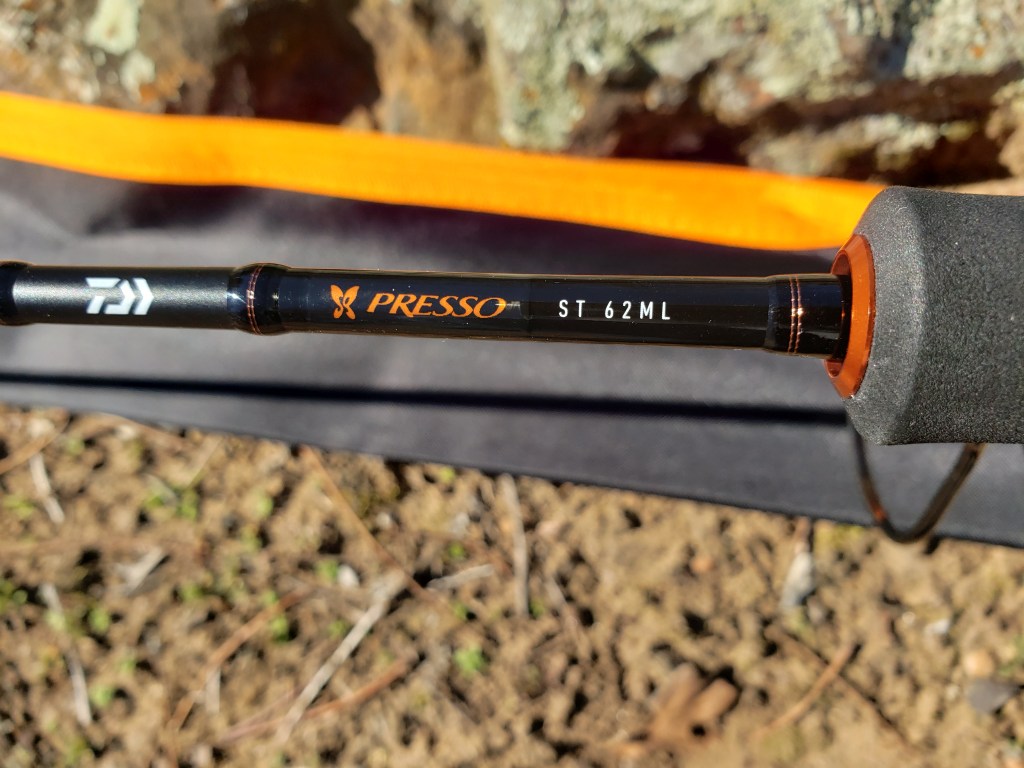
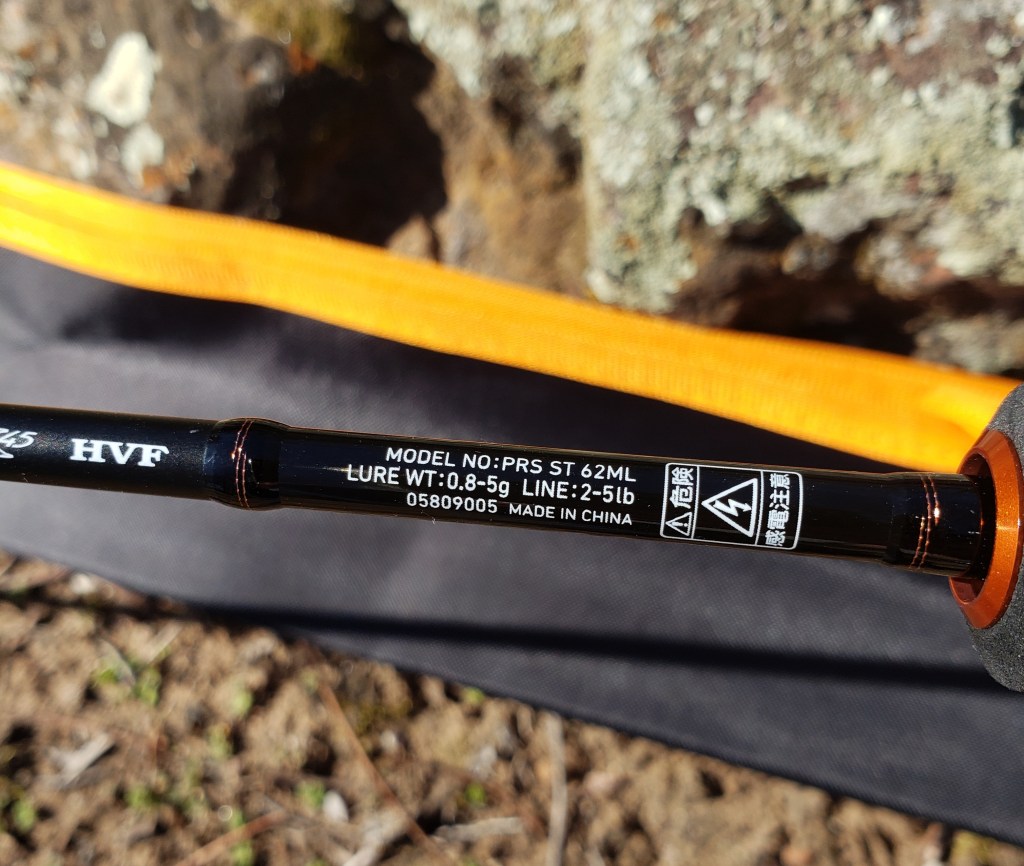


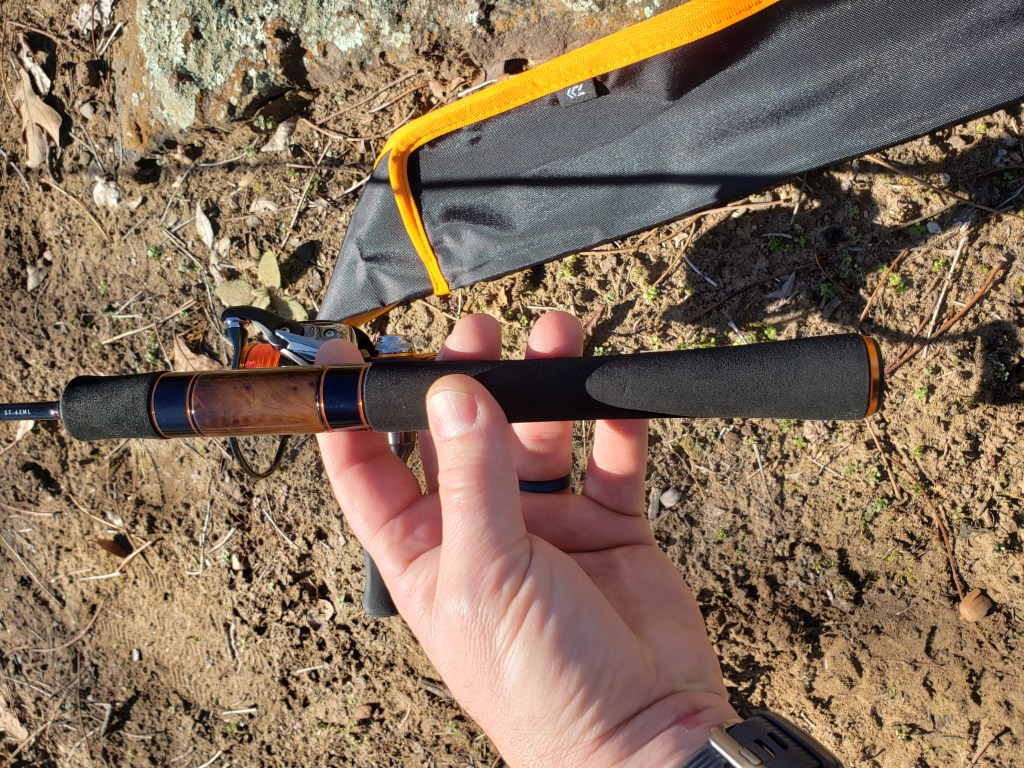
Fit and finish is decent and the rod feels good in hand. The accents were nicely done without being too over-the-top. The balance was excellent with the 2021 Daiwa Presso LT 1000S-P. The Daiwa Presso LTD 1025 balanced well also.
I believe the Daiwa Presso rods are designed for Area trout fishing in Japan. These types of rods are designed for light lines and have a more limber/parabolic action to them as opposed to the stiffer Native trout fishing rods that are designed for stream fishing. This was the reason I opted for the ML (Medium Light) action rod to increase the stiffness a bit. This rod has a good action for our type of fishing. I would say it has a Moderate Fast tip with a stiff butt section. That will help fight fish in current better.
Now I need to find time to test the rod out!
Fishing “Systems”…

I don’t like my fishing to be overly complicated. Our preference is to break things down into modular components to be incorporated into a bigger System. Furthermore, we prefer to travel light and be efficient with the goals we have set.

Our Fishing System:
–Footwear: wading boots or shoes, neoprene socks, gravel guards etc.
–Water Filtration: Hiker Pro, Sawyers or Squeeze bottle
–Navigation: map, compass, GPS or none
–Packs: sling, shoulder, waist or backpack or just pockets
–Rods and Reels: proper choices for intended species
–Clothing: seasonal conditions apply, rainwear,hats, polarized glasses etc
–Tackle: seasonal and species specific; spoons, jerkbaits, spinners or sometimes just jigheads and plastics stuck in the pockets of our shorts
–Camera Gear: GoPro, phone or DSLR
–Food: lunch, coffee, tea, snacks etc
–Sundries Bag: licenses, knife, cordage, lighter etc
–First Aid Kit: small and light…not performing surgery!
When wading streams and walking over rocks and boulders all day, every extra pound carried can equal pain. We try hard to carry no more than 10 pounds and preferably less. There is always a balancing act in our gear between weight and durability. As an example, I tend to carry the Yeti Panga 28 backpack more often. With two straps the weight distribution is better than a sling pack. Yes it is heavier but is by far the most durable pack I own. In the future I will showcase a few other pack options that I have and use.
By traveling light we can move faster and go farther. Not that we are “speed fishing” or anything, but rather, we are not overburdened when hopping across boulders or trying to maintain our balance when crossing current.
Your comfort has to be factored into the System as well. Tennis shoes are a lot lighter than wading boots, however, how will your feet feel at the end of the day? I know from experience that my feet feel trashed after wearing sneakers all day while stream fishing. The beefier yet heavier wading boot has a lot more support and protection. But when factoring comfort into the equation, I’ll deal with the extra weight penalty. Besides, I’m not getting any younger!
And by implementing a modular approach into the system, it is easy to switch between packs to further reduce weight or increase convenience. With thought and planning you can custom tailor your gear to each outing or you can settle on one system and stick with it.
I am not creating anything new here, rather, I am just sharing what we use and the thought process behind our system.
 Velox Seeker